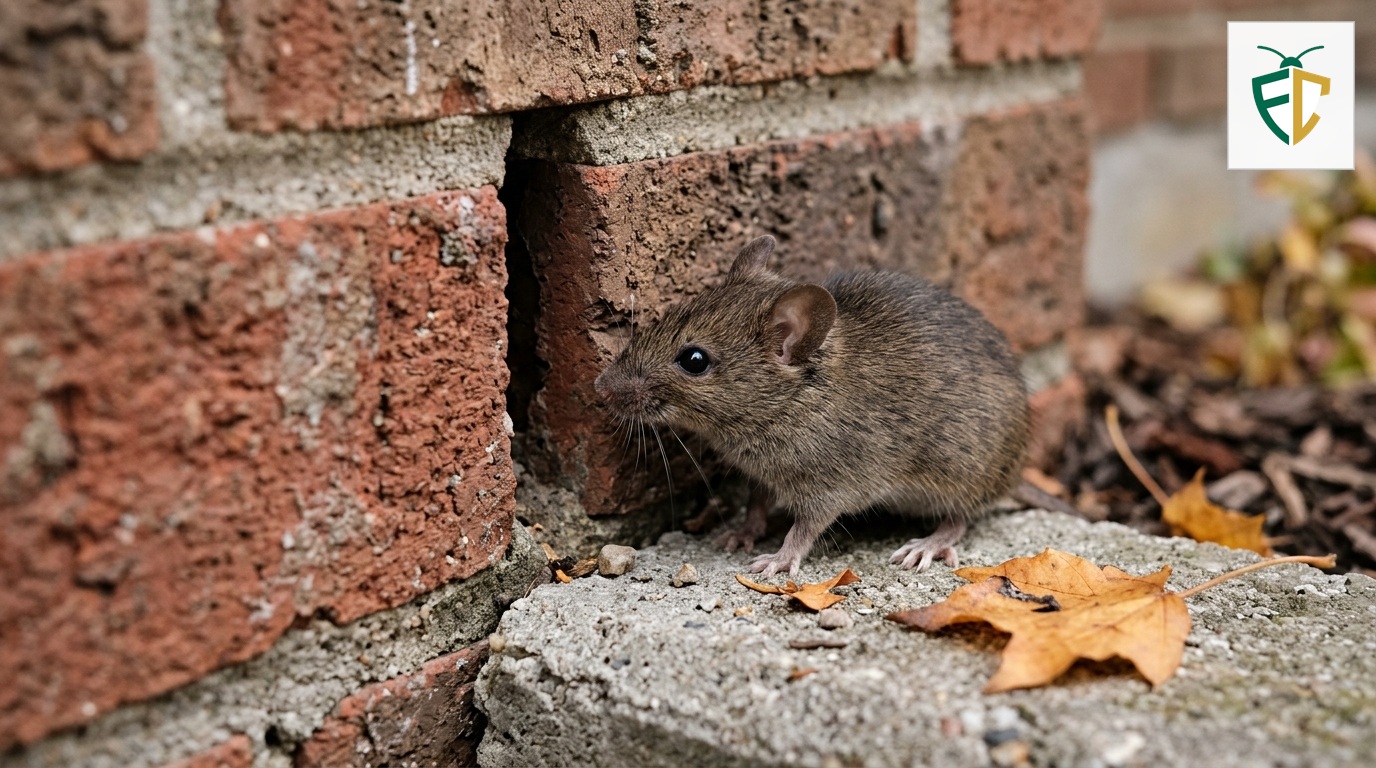
Mice in Walls Ontario: Winter Causes, Risks & Extermination

Why Ontario Winters Drive Rodents Indoors (The October–March Influx)
Every year between late September and November, pest control technicians across the Greater Toronto Area, Hamilton, and Southern Ontario witness an exponential surge in emergency rodent calls. This is not a coincidence; it is driven by Ontario's unique geographic and climatic conditions.
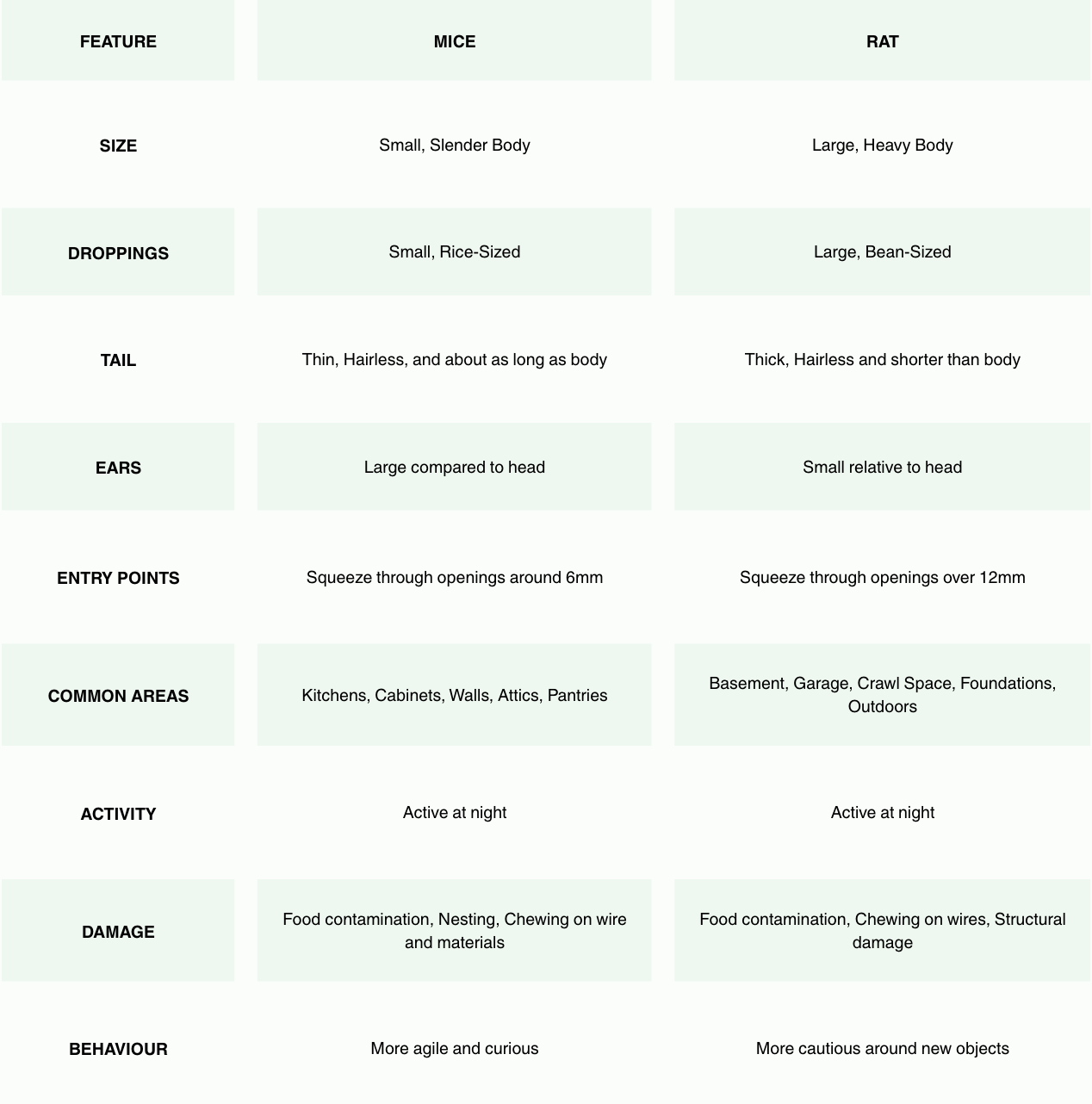
As nighttime frost sets in across Ontario, outdoor food supplies (seeds, garden vegetation, and outdoor insect larvae) freeze over. Rodents possess acute thermoreceptors that detect warm convective air plumes escaping from residential homes. A common house mouse (Mus musculus) requires a gap no wider than 6 millimeters (1/4 inch)—roughly the width of a standard ballpoint pen—to compress its ribcage and enter a structure.
Once inside an insulated wall cavity, a female mouse can produce 6 to 10 litters per year. What begins as a single pair nesting in an unfinished basement or behind drywall can escalate into a colony of 40+ rodents in under 90 days if unaddressed by professional residential pest control services in Ontario.
How Rodents Breach Ontario Homes: Top 5 Architectural Vulnerabilities
In our 12+ years of providing structural pest management across Toronto, Peel, and Halton, our licensed technicians have found that over 90% of rodent entries occur through five specific architectural components typical of Ontario residential construction:
1. Unprotected Brick Weep Holes
Most modern homes across Ontario are constructed with brick veneer over wood framing. By law under the Ontario Building Code, builders must leave open vertical joints—known as weep holes—in the bottom exterior brick row to allow moisture drainage and wall cavity ventilation. Unfortunately, standard weep holes are 10mm to 13mm wide—more than double the clearance a mouse needs to walk right into your home's fiberglass insulation. Installing breathable stainless steel weep hole covers is critical to stopping re-entry.
2. Air Conditioner Refrigerant Lines & Gas Conduits
The outdoor HVAC compressor connects to your indoor furnace via insulated copper refrigerant lines and electrical conduit that penetrate the exterior foundation wall. The polyurethane expanding foam applied by builders during construction degrades after 3 to 5 Ontario winter freeze cycles. Rodents easily chew through dried foam to enter the ceiling drop or utility room.
3. Garage Door Side Weatherstripping & Corner Gaskets
Attached garages are the number-one launching pad for rodents entering Ontario homes. Mice gnaw through the soft rubber corner seals at the bottom corners of garage doors. Once inside the garage, they find easy access into the main house through unfinished drywall joints or the interior access door.
4. Foundation Cracks & Mortar Degradation
Due to heavy snowfall and freeze-thaw soil movement across Southern Ontario, foundation walls often develop hairline fractures around cold rooms, basement window frames, and exterior hose bibs.
5. Roof Eaves, Soffits & Attic Vents
While house mice typically enter low, Norway rats and roof rats frequently utilize overhanging tree branches to access roof fascia, plastic attic vents, and loose aluminum soffit junctions.
Suspect Mice or Rats in Your Ontario Home?
Don't wait until electrical wires are damaged or insulation is contaminated. Call our emergency dispatch line at 1-888-407-7378 or send photos via WhatsApp (+1-289-270-7742) for an instant diagnosis.
Danger Signs: How to Confirm You Have Mice in Your Walls
Because rodents are nocturnal and instinctively avoid human interaction, homeowners frequently hear or smell an infestation weeks before actually seeing a mouse. Look out for these four decisive signs:
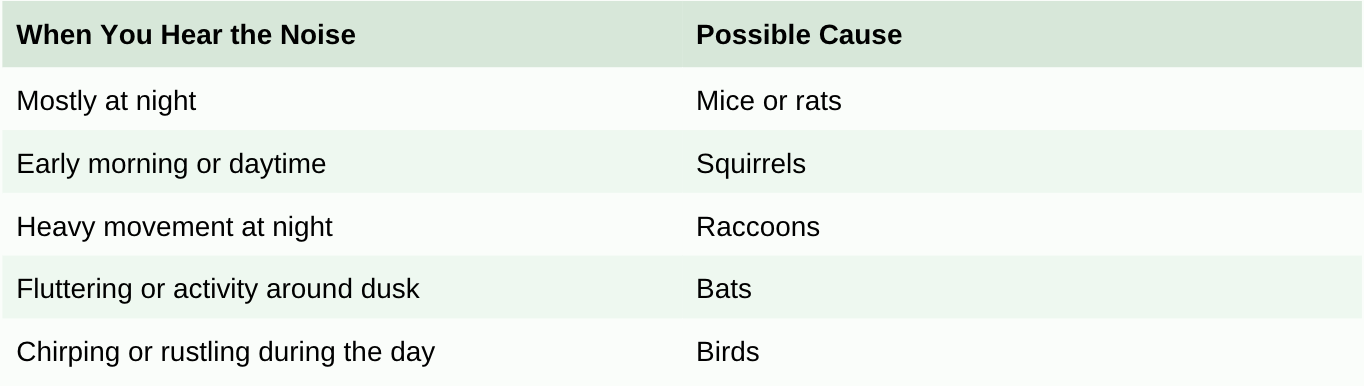
Nighttime Scratching & Scuttling: Distinct scratching, tapping, or rustling sounds inside drywall, hollow ceiling spaces, or above the bedroom between 10:00 PM and 4:30 AM when the house is silent.
Fecal Pellets (Droppings): House mouse droppings resemble small, dark grains of rice (3mm–6mm) with pointed ends, commonly discovered in kitchen cabinets, underneath sink basins, behind refrigerators, and along basement foundation ledges.
Sebum Rub Marks (Grease Tracks): Rodents have poor eyesight and navigate by running along baseboards and pipes. Their fur carries natural body oils and dirt, leaving visible dark smudges along interior doorways and wall baseboards.
Musky Ammonia Odor: In closed spaces such as pantries, cold cellars, and boiler rooms, a persistent stale, pungent ammonia odor indicates active rodent urine and territory marking.
Health & Structural Hazards of Rodent Infestations
Allowing a mouse infestation to persist in an Ontario residence poses severe, documented hazards:
Fire Hazard (Chewed Wiring): Mice have continuously growing incisors that require daily gnawing. Up to 20% of unexplained residential structural fires are traced back to rodents stripping electrical wiring insulation inside walls.
Pathogen Transmission: Rodents track bacteria (Salmonellosis, Leptospirosis) across food preparation counters, cutting boards, and pantry items.
Insulation Destruction: Mice shred fiberglass and cellulose insulation to construct breeding nests, creating significant thermal bypasses that increase winter heating bills in Ontario homes.
Secondary Vectors: Wild rodents introduce fleas, ticks, and mites into living areas, putting household pets at risk.
Why DIY Mousetraps Fail (And What Real Extermination Involves)
Many homeowners initially buy wooden snap traps or sticky pads. While a snap trap might catch two or three careless adolescent mice, traps alone never solve a rodent infestation due to trap shyness and unsealed entry points. For every mouse caught, more enter through uncapped weep holes outside.
The First Choice 4-Step Integrated Rodent Elimination Process
When you contact First Choice Pest Control, our Ministry-certified technicians deploy a rigorous Integrated Pest Management (IPM) protocol:
Comprehensive Structural Inspection: A 360-degree audit of your perimeter, weep holes, utility line conduits, and foundation gaps.
Targeted Interior Eradication: Commercial-grade tamper-resistant baiting and mechanical stations installed in enclosed wall voids and utility areas, safe from children and pets.
Complete Exterior Exclusion: Professional stainless steel mesh, copper wire mesh, and galvanized steel caps installed over weep holes and entry points.
100-Day Warranty & Follow-Up: Backed by our 100% Satisfaction Guarantee. If pests return between treatments, so do our technicians at zero extra charge.
Regional Ontario Service Coverage
We provide same-day rodent control dispatch across Southern Ontario:
Frequently Asked Questions
Can mice climb up through plumbing or toilets in Ontario homes?
While Norway rats can swim through sewer lines in rare occurrences, house mice almost never enter through drains. However, they frequently travel alongside vertical plumbing and drain stacks inside wall cavities from the basement to upper floors.
Will expanding spray foam keep mice out of my house?
No. Standard polyurethane expanding foam is soft and porous. Mice chew through cured spray foam in under 30 minutes. True exclusion requires combining foam with heavy-gauge stainless steel mesh or copper mesh.
What should I do if I find mouse droppings in my pantry?
Never sweep or vacuum dry droppings without precautions, as this aerosolizes bacteria. Spray the area with disinfectant, let it soak for 10 minutes, and wipe clean with disposable paper towels.
How long does professional mouse extermination take?
A professional structural eradication program typically achieves 80% population reduction within 48 to 72 hours, with complete colony elimination achieved within 10 to 14 days, followed by exterior exclusion sealing.
Ready to protect your home this winter?
Request a Free Inspection Online or call toll-free at 1-888-407-7378.
Dealing with a pest problem?
Our licensed technicians offer same-day service backed by a 100% satisfaction guarantee.