Weep Hole Covers for Mice Ontario: Guide to Rodent Proofing
What Are Brick Weep Holes and Why Are They Vital for Ontario Homes?
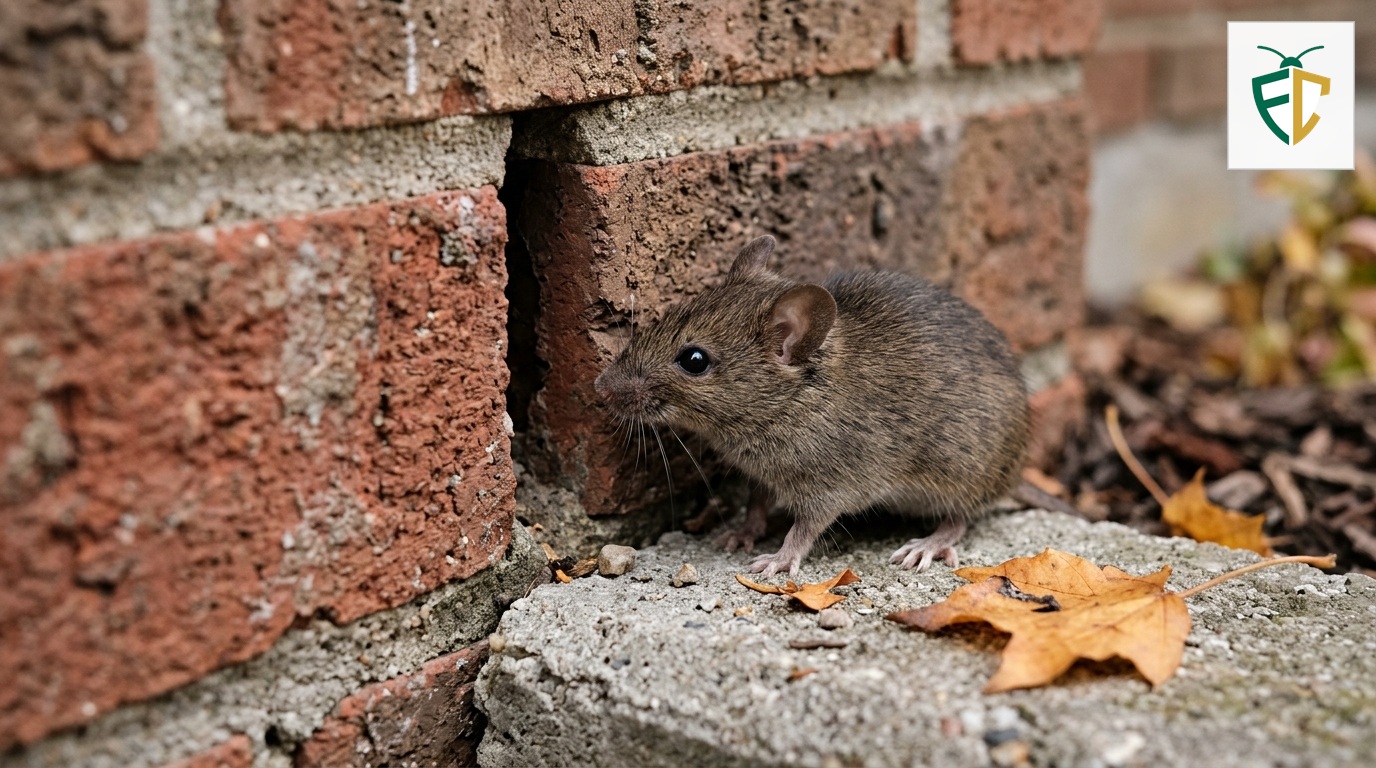
If you live in a detached, semi-detached, or townhouse property across Southern Ontario, your exterior walls are almost certainly constructed using brick veneer over wood framing. Look closely at the bottom row of bricks just above your concrete foundation, and you will notice intentional vertical gaps where mortar was omitted. These gaps are called weep holes.
Under the Ontario Building Code (OBC Section 9.20.13.8), weep holes are a mandatory architectural requirement spaced every 800 millimeters (approximately 31 inches) along the exterior base of masonry walls, as well as directly above exterior window and door lintels. Weep holes fulfill two non-negotiable structural purposes:
Moisture Drainage: Brick is a porous material. During heavy Ontario rainstorms, water penetrates through the brick facade into a 25mm to 50mm air cavity behind the masonry. Weep holes allow this trapped water to gravity-drain safely onto the exterior flashing rather than soaking into your interior wooden studs and fiberglass insulation.
Wall Cavity Ventilation & Mold Prevention: In Ontario's severe winter freeze-thaw cycles, warm interior moisture migrates outward through drywall into the cold wall void. Open weep holes maintain continuous air circulation, evaporating condensation before it develops into toxic black mold or structural wood rot.
Critical Warning: Never completely block or caulk weep holes with solid materials like concrete, mortar, or silicone caulking. Sealing a weep hole airtight traps gallons of condensation inside your wall cavity, rotting wooden wall sills, ruining insulation R-values, and causing catastrophic brick spalling when trapped water freezes and expands at sub-zero temperatures.
The Biological Vulnerability: Why Mice Target Brick Weep Holes
While weep holes are an architectural necessity for drainage, they represent the single largest vulnerability in Ontario residential construction when left unshielded. Here is why mice instinctively target weep holes every fall between October and December:
1. The Size Mismatch: 13mm Opening vs. 6mm Rodent Skull
A standard brick weep hole in Ontario measures between 10 millimeters and 13 millimeters (3/8" to 1/2") wide, and 65 millimeters (2.5") tall. However, a common house mouse (Mus musculus) has a flexible ribcage and a skull diameter of merely 6 millimeters (1/4 inch)—about the width of a standard ballpoint pen. A mouse does not need to chew or force its way through; it can simply walk right through an unshielded weep hole into your home's structural framing.
2. Thermal Plume Convection
Rodents possess highly sensitive thermoreceptors in their facial whiskers. When night temperatures in Toronto, Mississauga, and Brampton dip below freezing, warm air heated by your indoor furnace escapes outward through exterior weep holes. Mice running along foundation perimeters follow these warm convective air plumes directly to the opening.
3. Direct Superhighway into Fiberglass Insulation
Once past the outer brick wythe, an invading mouse steps immediately into the wall cavity. Here, it encounters warm, dry fiberglass batt insulation—the ideal nesting substrate. From this cavity, rodents utilize internal wiring conduits, plumbing chases, and central vacuum rough-ins to access kitchen cabinets, ceiling drops, and bedroom walls. For full details on winter risks, read our benchmark guide on mice in walls in Ontario and winter extermination risks.
Dangerous DIY Mistakes: What Homeowners Should NEVER Put in Weep Holes
Every fall, well-intentioned Ontario homeowners attempt to solve mouse intrusions using temporary hardware store fixes. In our field experience, these DIY methods consistently fail or cause severe secondary structural damage:
Standard Expanding Foam (Yellow Spray Can): Polyurethane foam cures soft and porous. Mice chew through cured foam in under 30 minutes. Furthermore, foam absorbs moisture like a sponge, holding damp water against brick and wooden framing, leading to freeze-thaw brick spalling.
Steel Wool / Brillo Pads: Standard steel wool is ungalvanized carbon steel. Exposure to rain and snow causes rapid oxidation (rust). It rusts completely within 3 to 6 months, leaving ugly orange/red rust stains running down your brick foundation.
Silicone Caulking or Mortar: Blocks rodent access initially, but completely seals the drainage and ventilation channel. This is a direct Ontario Building Code violation that traps condensation, leading to interior drywall mold and expensive masonry repair bills.
Cheap Plastic Mesh Weep Hole Inserts: Thin polypropylene plastic becomes brittle when temperatures drop to -15°C in January and February. Mice easily gnaw through brittle plastic teeth within 48 hours to regain access.
The Professional Solution (Stainless Steel Wire Mesh Covers): Impenetrable 304/316 marine-grade stainless steel with tension spring wings. 100% rustproof, permanently stops rodents, and preserves 100% of wall drainage and airflow.
Already Hearing Scratching Inside Your Walls?
If mice have already entered your home, sealing weep holes prematurely can trap them inside your ceiling and walls. Call First Choice Pest Control at 1-888-407-7378 or reach us on WhatsApp (+1-289-270-7742) for an emergency eradication and exclusion service backed by our 100-Day Warranty.
The Professional Standard: Heavy-Duty Stainless Steel Weep Hole Covers
To eliminate rodent re-entry without compromising home safety, licensed exterminators deploy engineered stainless steel weep hole covers (exclusion grates). Here is what makes professional-grade covers superior:
High-Tensile 304-Grade Stainless Steel: Rodents have continuously growing incisors with an enamel hardness rating of 5.5 on the Mohs scale (harder than iron). They can chew through wood, lead pipes, plastic, and aluminum. However, high-tensile 304/316 stainless steel is physically impossible for rodents to puncture or gnaw.
Engineered Compression Wings: Professional covers feature spring-loaded side ribs that compress during insertion and expand against the interior brick mortar, locking the cover permanently in place without drilling or damaging exterior masonry.
Micro-Mesh Ventilation Apertures: The precisely spaced vertical slots allow water droplets to escape instantly and maintain continuous airflow, satisfying all Ontario Building Code moisture requirements while blocking pests as small as juvenile field mice and European paper wasps.
The First Choice 4-Stage Integrated Exclusion Protocol
Installing weep hole covers is not a standalone task. If performed incorrectly while rodents are actively nesting inside, trapped mice will chew through interior drywall, baseboards, and electrical wires to find food. At First Choice Pest Control, our Ministry of the Environment (MECP) licensed technicians follow a structured 4-stage process:
Comprehensive Perimeter & Thermal Audit: Our technicians conduct a 360-degree perimeter inspection of your foundation, counting every exterior weep hole and checking for secondary entry points: degraded A/C line foam penetrations, garage door bottom gaskets, loose hydro meter conduits, and foundation hairline fractures.
Interior Population Eradication Before Exclusion: Before any exterior entry points are permanently sealed, our technicians deploy commercial-grade mechanical traps and tamper-resistant rodenticide stations in interior target zones (wall voids, attic spaces, utility rooms, and unfinished basements). We ensure the active colony is eradicated first.
Precision Architectural Exclusion: We custom-fit industrial stainless steel weep hole covers into every single exterior brick weep vent along the foundation. Concurrently, we seal gas pipe penetrations and A/C conduit chases using heavy-gauge copper mesh combined with exterior-grade elastomeric sealant that expands and contracts with Ontario's seasonal weather.
100-Day Warranty & Monitoring: Every full exclusion and rodent control program from First Choice Pest Control includes our 100% Satisfaction Guarantee. If you hear scratching or detect pest activity during the warranty period, our technicians return and re-treat at zero additional cost to you.
Cost Breakdown: DIY vs. Professional Weep Hole Proofing in Ontario
When evaluating pest control options, homeowners frequently ask about pricing. Below is an honest breakdown of costs associated with rodent prevention versus unaddressed infestation damage in the GTA:
DIY Plastic Inserts or Foam ($40 – $80 materials): No guarantee; mice re-chew within weeks; moisture trapped inside walls risks brick spalling.
Professional Exclusion & Weep Sealing ($350 – $650 depending on home perimeter): Permanent barrier; 100% Ontario Building Code compliant; backed by our 100-Day Guarantee.
Cost of Unaddressed Rodent Damage ($3,500 – $18,000+): Chewed electrical wiring (fire risk), contaminated attic insulation removal, and structural drywall replacement.
Regional Construction Nuances Across Southern Ontario
Building architecture varies across our Southern Ontario service territory, dictating specific exclusion techniques:
Peel Region Pest Control (Mississauga & Brampton): Modern master-planned subdivisions built after 1995 feature tall brick veneer skirts with high weep hole counts directly adjacent to ground vegetation, making early fall exclusion critical.
Toronto Pest Control Exterminators: Older brick homes and row-houses frequently feature irregular mortar joints and retrofitted additions, requiring custom-shaped stainless steel mesh fabrication on-site.
Halton Region Pest Removal (Oakville, Burlington & Milton): Homes situated near greenbelts, conservation lands, and ravine corridors experience high field mouse and deer mouse pressure, requiring full perimeter barrier protection.
Hamilton-Wentworth Extermination Specialists: Homes situated along the Niagara Escarpment face combined pressures from both Norway rats and house mice seeking winter shelter.
Frequently Asked Questions About Weep Hole Covers in Ontario
Will covering weep holes cause mold or moisture inside my walls?
Not if you use professional-grade stainless steel weep hole covers. These covers feature precisely engineered ventilation slots that allow liquid water to drain freely and air to circulate, fully complying with the Ontario Building Code. Only airtight materials like silicone caulking, spray foam, or solid mortar cause moisture and mold damage.
Can mice chew through stainless steel weep hole screens?
No. High-tensile 304-grade stainless steel cannot be penetrated by rodent teeth. Even Norway rats, whose jaws exert up to 7,000 psi of biting pressure, cannot cut through stainless steel wire mesh.
Should I install weep hole covers if I already have mice inside my walls?
No, you should never seal the exterior before eradicating the interior population. If you block all exit points while mice are living inside, they will become trapped, chew through your interior drywall to find food, and may die inside your walls, creating unbearable decomposition odors. Interior eradication must occur first.
How long do stainless steel weep hole covers last?
Professional stainless steel covers are rustproof, UV-resistant, and weatherproof. Once installed correctly, they will last the entire lifetime of your brick masonry facade without deteriorating.
Do weep hole covers protect against other Ontario pests?
Yes. In addition to stopping mice and rats, stainless steel weep hole screens prevent European paper wasps, yellow jackets, hornets, cluster flies, and earwigs from establishing nests inside your exterior wall cavities during spring and summer.
Protect Your Home's Weep Holes Before Winter Arrives
Don't let mice make your wall insulation their winter nesting ground. Book a Free Inspection Online or call toll-free at 1-888-407-7378.
Dealing with a pest problem?
Our licensed technicians offer same-day service backed by a 100% satisfaction guarantee.