Pigeons on Your Roof or Balcony? What Ontario Property Owners Should Know
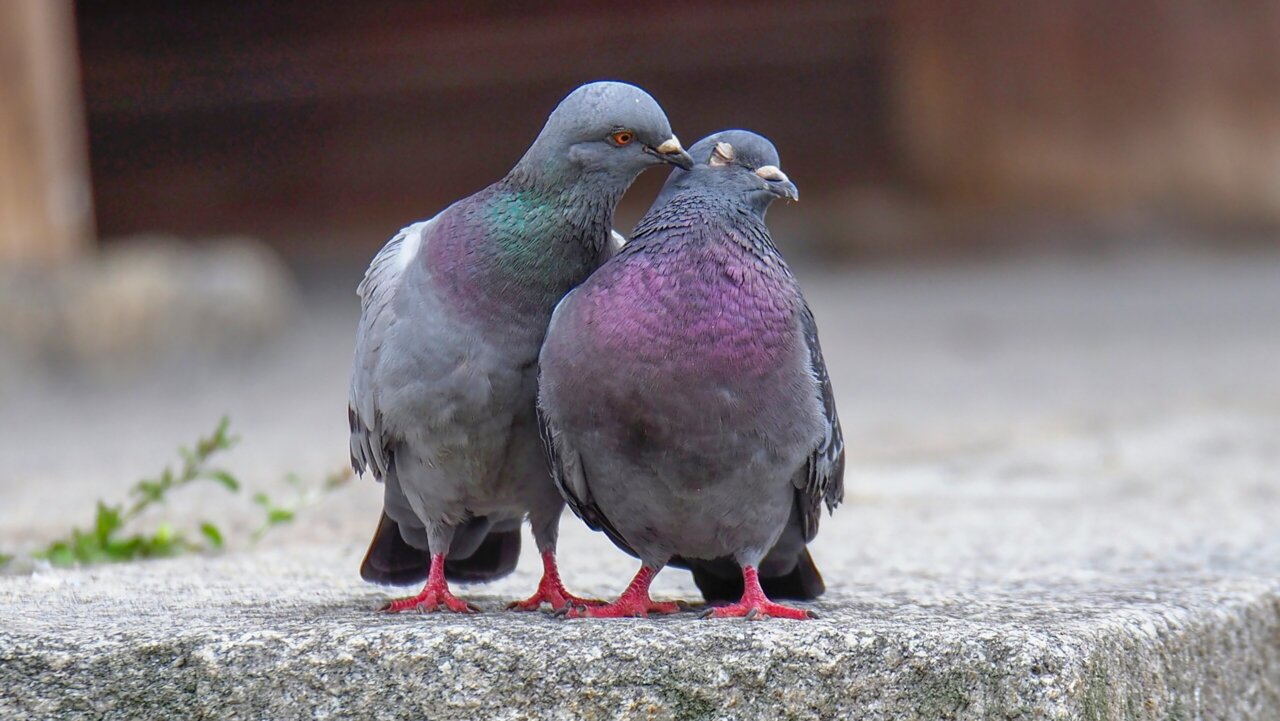
Key Takeaway: Pigeons are commonly attracted to balconies, rooftops, ledges, and other sheltered areas where they can perch or nest. If pigeons keep returning to your property, removing food sources, nesting materials, and access to suitable roosting areas can help discourage them. Early prevention and professional exclusion can help prevent an ongoing pigeon problem.
Finding pigeons repeatedly gathering on your balcony, roof, or ledges can quickly become frustrating. What starts with one or two birds may eventually lead to nesting materials, droppings, and repeated activity in the same area.
Pigeons are highly adaptable to urban environments and can take advantage of the food and shelter available around homes, condos, apartment buildings, and commercial properties. Toronto and other Ontario cities provide many of the elevated, sheltered surfaces pigeons use for roosting and nesting.
The good news is that understanding why pigeons keep coming back can help you take steps to make your property less attractive to them.
Why Are Pigeons Attracted to My Property?
Pigeons are generally looking for three things: food, water, and shelter.
Balconies, rooftops, building ledges, and covered areas can provide protected places where pigeons can rest and nest. Urban environments can also provide easy access to food and water.
Some common reasons pigeons may be attracted to a property include:
Accessible food or garbage
Bird feeding
Water sources
Sheltered balconies
Flat rooftops and ledges
Gaps or openings where birds can roost
Quiet areas with little disturbance
Once pigeons become comfortable in a particular location, they may continue returning to the same area.
Why Do Pigeons Keep Coming Back?
Pigeons can become attached to locations that provide reliable shelter and suitable places to perch.
If the conditions remain the same, simply chasing the birds away may only provide a temporary solution. Effective pigeon control often focuses on changing the environment and limiting access to preferred roosting and nesting areas.
This is why preventing pigeons from returning is often more effective than repeatedly trying to scare them away.
Pigeons on Balconies, Roofs and Ledges
Different parts of a property can attract pigeons for different reasons.
Pigeons on a Condo or Apartment Balcony
Balconies can provide shelter, elevated perching areas, and protected corners where pigeons may attempt to build nests.
Keep balconies clear of unnecessary clutter and avoid leaving food or accessible garbage outside. The City of Toronto also advises residents experiencing pigeon nesting on a balcony to notify their landlord or property manager.
If you live in a condo or apartment building, check with your property management before installing any permanent bird-control measures.
Pigeons on Your Roof
Rooftops can provide quiet, elevated areas where pigeons can perch and roost.
Flat surfaces, ledges, overhangs, and areas around rooftop equipment may provide suitable locations for birds.
Repeated pigeon activity can also lead to an accumulation of nesting materials and droppings, making regular inspection and prevention important.
Pigeons on Building Ledges
Building ledges and window sills can provide convenient places for pigeons to land and rest.
If pigeons are regularly using the same ledges, exclusion or professionally installed deterrent systems may help prevent repeated access.
Why Are Pigeons Attracted to BBQ Areas?
BBQ areas can attract pigeons when food crumbs, grease, or other food residue are left behind after cooking. On condo balconies and patios, a BBQ may also provide a sheltered area nearby where pigeons can perch.
After using your BBQ, clean the grill and surrounding area to remove food residue and avoid leaving uncovered food outside. Keeping the area clean can help make your balcony or patio less attractive to pigeons and other pests.
If pigeons are repeatedly gathering around your BBQ or balcony, avoid feeding or encouraging them and consider addressing the areas where they are landing or roosting.
Can Pigeons Cause Problems Around Your Property?
A small number of pigeons may not always create a serious problem. However, repeated activity can create issues around a property.
Droppings and Mess
Pigeon droppings can accumulate on balconies, ledges, walkways, and other surfaces when birds regularly roost in the same location.
Cleaning accumulated droppings should be approached carefully, particularly when large amounts have built up. Property owners and managers should consider appropriate cleaning procedures and professional assistance when necessary.
Nesting Materials
Twigs, leaves, and other nesting materials can accumulate in areas where pigeons repeatedly attempt to nest.
On roofs and around building features, nesting materials can also create maintenance concerns.
Ongoing Activity
Once a location becomes established as a regular roosting or nesting site, pigeons may continue returning unless the conditions that attract them are addressed.
Do Pigeons Carry Diseases or Parasites?
Like other animals, pigeons can carry parasites and microorganisms. However, it's important not to assume that simply seeing pigeons on your property means you will become sick.
The greater concern for property owners is often the accumulation of droppings and nesting materials in areas where birds repeatedly gather.
Avoid unnecessarily disturbing large accumulations of droppings, and consider professional cleaning or appropriate protective measures when significant cleanup is required.
How Can You Keep Pigeons Away?
The most effective approach usually involves making the area less attractive and limiting access to preferred roosting locations.
Remove Food Sources
Don't intentionally feed pigeons, and avoid leaving food outside where birds can access it.
Food residue around BBQs, outdoor tables, and patios can attract pigeons and other animals. Clean up crumbs and spills after eating, and don't leave food outside for extended periods.
Keep garbage containers closed and remove food debris from balconies and outdoor areas. Eliminating accessible food sources can make a property less attractive to pigeons.
Remove Nesting Materials Early
If pigeons are repeatedly bringing twigs or other materials to an area, addressing the activity early may help discourage nesting.
Be mindful that bird nests and eggs can be subject to different legal protections depending on the species and circumstances. If you are unsure whether a nest can be disturbed or removed, seek appropriate professional or regulatory guidance before taking action.
Reduce Clutter
Furniture, storage items, and clutter can provide sheltered areas around balconies and other outdoor spaces.
Keeping these areas clean and open can make them less appealing for nesting.
Block Access to Roosting Areas
Physical exclusion can be one of the most effective long-term solutions.
Depending on the location, professional bird-control systems may use netting or other exclusion methods to prevent pigeons from accessing areas where they repeatedly roost. Ontario guidance also emphasizes reducing access to food, water, and roosting areas as part of bird-conflict prevention.
Don't Rely Only on Scare Devices
Visual or noise-based deterrents may temporarily discourage pigeons, but birds can become accustomed to some devices over time.
Changing the environment and physically preventing access is generally a more reliable long-term approach.
What Should You Do If Pigeons Are Nesting on Your Balcony?
If pigeons are beginning to gather nesting material, acting early can help prevent the area from becoming an established nesting location.
If there is an active nest, eggs, or young birds present, don't assume the nest can simply be removed. Bird and nest protections can vary by species and circumstances. If you're unsure what to do, contact a qualified wildlife professional or the appropriate authority for guidance.
For condo and apartment residents, notifying the landlord or property manager is also a good first step.
Are Pigeons a Common Problem in Ontario?
Yes. Pigeons are well adapted to urban environments and are commonly found around buildings throughout Ontario.
Cities provide many of the elevated surfaces, shelter, and food sources that can support pigeon populations. This is why pigeon problems can occur around houses, condos, apartment buildings, warehouses, restaurants, and other commercial properties.
Whether you're dealing with pigeons on a balcony in Toronto or repeated bird activity around another property in Southern Ontario, prevention is often easier before a location becomes an established nesting or roosting site.
How Can Professional Pigeon Control Help?
Professional pigeon control focuses on identifying where birds are landing, roosting, or nesting and determining the most appropriate way to reduce repeated activity.
Depending on the property and situation, solutions may involve exclusion, deterrents, cleanup recommendations, or modifications that make the area less attractive to pigeons.
A professional approach can be particularly helpful for:
Condo and apartment buildings
Commercial properties
Large rooftops
Difficult-to-access ledges
Areas with repeated pigeon activity
Properties where long-term exclusion is required
Frequently Asked Questions
Why do pigeons keep coming back to my balcony?
Pigeons may continue returning when a balcony provides shelter, a suitable place to perch, or a potential nesting location. Removing food sources, clutter, and access to preferred areas can help discourage repeated activity.
How do I keep pigeons off my balcony?
Keep the balcony clean, avoid leaving food outside, remove nesting materials when appropriate, and consider physical exclusion or professionally installed deterrents where permitted.
Will pigeons leave on their own?
Pigeons may leave temporarily, but they can continue returning if the location remains attractive for roosting or nesting.
Can pigeons damage a roof?
Repeated pigeon activity can lead to accumulated droppings and nesting materials around parts of a roof. Regular activity may also create maintenance and cleanup concerns.
Should I remove a pigeon nest?
Don't assume that every bird nest can be removed. Rules and protections can depend on the species, whether the nest is active, and other circumstances. Seek professional or regulatory guidance if you're unsure.
Are pigeons dangerous?
Pigeons generally avoid people, but accumulated droppings and repeated bird activity can create sanitation and property-maintenance concerns. Avoid handling birds unnecessarily and use appropriate precautions when dealing with significant accumulations of droppings.
Is pigeon control humane?
Yes. Many pigeon-control strategies focus on prevention and exclusion, making areas less accessible or attractive without harming the birds. Ontario guidance identifies exclusion and habitat modification as alternatives to lethal control.
Need Professional Pigeon Control?
Pigeons can be difficult to control when they repeatedly return to the same balcony, rooftop, ledge, or other area. Identifying why birds are using the property can help determine the most appropriate long-term solution.
At First Choice Pest Control Inc. we provide professional pest and wildlife control services for homes, landlords, property managers, and commercial properties throughout Southern Ontario.
If you're dealing with ongoing pigeon activity, it's worth having the situation assessed.
Contact First Choice Pest Control Inc. today to discuss your situation and arrange a professional inspection.
Dealing with a pest problem?
Our licensed technicians offer same-day service backed by a 100% satisfaction guarantee.