Why Are Wasps So Aggressive in August in Ontario? Here's What Homeowners Should Know
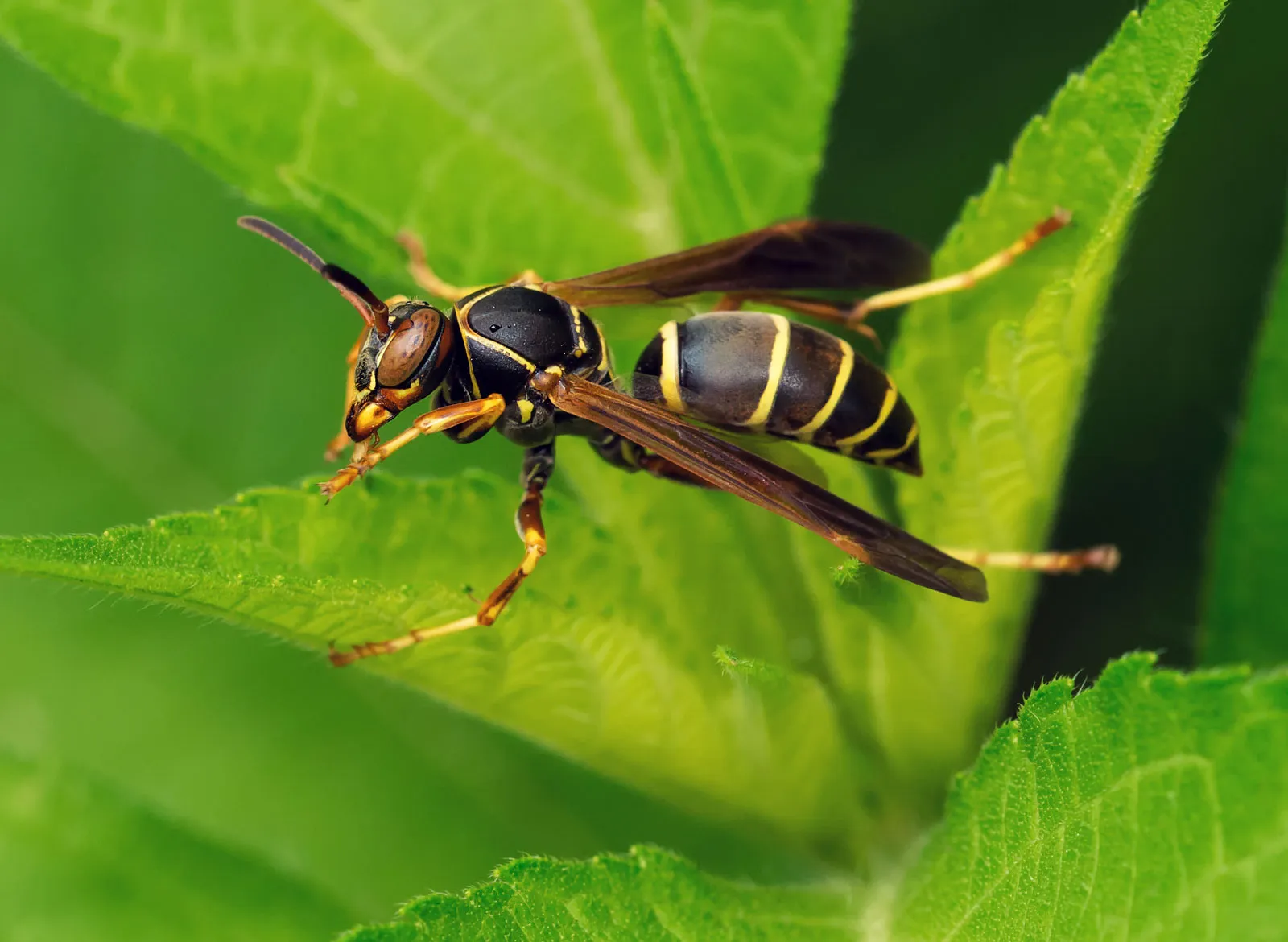
Key Takeaway: Wasps become much more noticeable in Ontario during late summer because their colonies have grown throughout the season and worker wasps become increasingly active while searching for food. In August, they are often attracted to sugary drinks, fruit, outdoor food, garbage, and recycling around homes and patios. Keeping food and drinks covered can help reduce activity, but if wasps are repeatedly coming from one location, there may be a nest nearby. Professional wasp control can address the source of the activity rather than simply treating the wasps you see.
If you've noticed more wasps around your patio, deck, backyard, or home this August, you're not imagining it.
Late summer is an especially noticeable time for wasp activity across Southern Ontario. As homeowners spend more time outdoors enjoying patios, barbecues, gardens, and other outdoor spaces, encounters with wasps become more common. Established nests can also be located near areas that people regularly use, making August an important time to be aware of wasp activity around your property.
A nest that seemed quiet earlier in the summer can suddenly become much more active. You may notice wasps around your food and drinks, flying near garbage bins, or repeatedly entering and leaving the same area of your property.
So, why do wasps seem more aggressive in August?
As summer progresses, wasp colonies become larger and worker wasps become increasingly active while searching for food. This can make them more noticeable and more defensive, particularly when people are close to their nest.
Why Are Wasps More Aggressive in August in Ontario?
Across Ontario, August is typically a time when homeowners begin noticing significantly more wasp activity around patios, gardens, outdoor gatherings, and homes.
Wasp colonies spend the spring and early summer developing. As the season progresses, the colony grows and activity around the nest increases.
By August, wasp colonies have developed substantially, and worker wasps are increasingly active while foraging for food. They are also attracted to the types of food that are common during late-summer outdoor activities, including sugary drinks, fruit, and food left outside.
This is why a backyard that was relatively quiet earlier in the summer can suddenly have noticeable wasp activity.
Wasps may also become defensive when their nest is disturbed. Walking near a hidden nest, trimming vegetation, mowing the lawn, or accidentally disturbing a nest underneath a deck can cause wasps to react defensively.
Why Are Wasps Attracted to Your Patio?
Your patio can provide several easy food sources for wasps.
Common attractants include:
Soft drinks and sugary beverages
Fruit and fallen fruit
Barbecue food
Food left outside
Garbage and recycling
Spilled drinks
Desserts and other sweet foods
Pet food
Wasps may also be attracted to areas around your property where they can find water or sheltered locations suitable for nesting.
How to Reduce Wasps Around Your Patio
A few simple steps can help reduce the food sources attracting wasps:
Keep food covered when eating outside.
Keep sugary drinks covered.
Clean up spills promptly.
Keep garbage and recycling containers closed.
Remove fallen or overripe fruit from the yard.
Avoid leaving pet food outside for extended periods.
Clean outdoor eating areas regularly.
These steps can reduce the number of wasps attracted to your property, but they will not eliminate an established nest.
Does Seeing More Wasps Mean There Is a Nest Nearby?
Not necessarily.
A wasp searching for food can travel away from its nest, so seeing one or two wasps around your property does not automatically mean there is a nest on your property.
However, consistent activity around one specific location can be a sign of a nearby nest.
Watch for wasps:
Repeatedly entering and leaving the same hole
Flying into a gap in brick or siding
Entering a soffit or roofline
Going underneath a deck
Entering a wall or other opening
Flying around the same area of your yard
Entering and leaving a hole in the ground
Concentrating around one part of your home
If you notice steady traffic to and from one location, avoid disturbing the area and consider having it professionally assessed.
Where Can Wasps Build Nests?
Wasp nests aren't always easy to find.
Wasps can take advantage of sheltered spaces around homes and other structures, including:
Wall Voids
Small openings around brick, siding, soffits, fascia, vents, and other exterior areas can provide access to wall cavities.
If a nest is inside a wall, you may only see wasps entering and leaving through a small exterior opening.
Under Decks and Porches
The protected space underneath decks and porches can provide an ideal location for a nest.
Rooflines and Soffits
Gaps around rooflines, soffits, fascia, and other exterior areas can allow wasps to access protected spaces.
Sheds and Other Structures
Wasps may also establish nests around sheds, garages, outbuildings, and other sheltered areas.
Ground-Level Areas
Some wasps may establish nests in or around ground-level cavities. These can be difficult to notice until activity becomes significant.
Because nests can be hidden, simply looking for a visible paper nest may not always reveal where the activity is coming from.
What If Wasps Are Coming From a Hole in Your Brick?
This is a situation homeowners should take seriously.
If you notice wasps repeatedly entering and leaving a small opening in brick, siding, soffits, or another part of your home, the opening may provide access to a wall cavity.
Do not immediately seal the opening if wasps are still actively using it.
Sealing an active entry point before the underlying pest issue has been addressed may not solve the problem.
A professional can assess the activity, determine where the wasps are likely entering, and recommend the appropriate treatment.
Once the pest issue has been properly addressed, the opening can be considered for appropriate repair or exclusion.
How Can You Tell If There Is a Wasp Nest?
One of the most important signs is repeated activity in the same location.
For example, if you see a few wasps flying around your yard, that does not necessarily indicate a nest.
But if you see wasps repeatedly:
Entering the same hole
Flying into the same wall opening
Going underneath your deck
Entering a soffit
Flying around the same section of your roof
Entering and exiting a structure
there may be a nest nearby.
You should also pay attention to increased activity around areas that people frequently use, such as entrances, patios, decks, walkways, and play areas.
Should You Remove a Wasp Nest Yourself?
It can be tempting to try to remove an active nest yourself, especially when it is visible.
However, disturbing an established nest can cause wasps to become defensive.
The risk can be even greater when the nest is:
Inside a wall
Near a doorway
Under a deck
Underground
Near a children's play area
Close to a patio
In an area frequently used by people or pets
Hidden nests can also be more complicated because the visible wasps may only represent part of the problem.
If you suspect an active nest, keeping your distance and having the situation professionally assessed is often the safer approach.
Noticing increased wasp activity around your home?
If wasps are repeatedly entering or leaving the same area, there may be an active nest nearby. First Choice Pest Control can safely assess the activity and provide professional wasp control and nest removal.
What Should You Do If Wasps Are Around Your Home?
If you are seeing increased wasp activity, start by identifying where the activity is occurring.
Keep food and drinks covered, clean up spills, and keep garbage properly contained.
Then observe from a safe distance.
If wasps consistently travel to and from one particular location, do not disturb the area or attempt to block the opening immediately.
Instead, consider having the activity inspected by a pest control professional.
For more practical ways to protect your home from pests throughout the year, read our guide on How to Prevent Common Household Pests in Ontario.
When Should You Call a Pest Control Professional?
Professional pest control may be appropriate when:
There are large numbers of wasps around your property.
Wasps are repeatedly entering the same location.
You have found an active nest.
Wasps are entering a wall or soffit.
The nest is underground.
The nest is near a doorway or patio.
The nest is close to children or pets.
Wasps are entering your home.
The activity continues despite removing food sources.
You don't necessarily need to wait until someone gets stung before addressing an active nest.
If the nest is located near an area your family uses regularly, addressing the problem sooner can help reduce the risk of accidental disturbance.
Dealing with an active wasp nest?
Don't risk disturbing the nest. Contact First Choice Pest Control for professional wasp control and nest removal.
Why Wasp Activity Increases in Late Summer
The simple answer is that late summer brings increased wasp activity.
By August, colonies have had months to develop, and worker wasps are actively searching for food. This makes them much more noticeable around patios, gardens, garbage bins, outdoor meals, barbecues, and other areas around your home.
At the same time, established nests can become increasingly defensive when disturbed.
That is why wasp activity can seem to change almost overnight during August.
Frequently Asked Questions
Why are wasps more aggressive in August in Ontario?
Wasp colonies are well established by late summer, and worker wasps are highly active while searching for food. This is why homeowners across Ontario may notice increased wasp activity around patios, gardens, garbage bins, and other outdoor areas during August.
Why are wasps attracted to sugary drinks?
Wasps are attracted to sugary food and beverages. Open soft drinks, fruit, desserts, and spilled drinks can all attract wasps to outdoor areas.
Why are there so many wasps around my patio?
Your patio may provide easy access to food and drinks. If wasps are consistently concentrated in one area, however, there may also be a nest nearby.
How do I know if I have a wasp nest?
Look for repeated wasp activity around one location, such as a hole, wall opening, soffit, roofline, deck, or other sheltered area.
Can wasps build a nest inside a wall?
Yes. Wasps can use openings around brick, siding, soffits, fascia, and other exterior areas to access protected spaces within a structure.
Should I seal a hole where wasps are entering?
If wasps are actively using the opening, don't immediately seal it. Have the situation assessed first so the underlying activity can be addressed appropriately.
Will wasps go away on their own?
Wasp activity naturally changes as the weather gets colder, but waiting may not be the best option when an active nest is located near your home or a frequently used area.
Professional Wasp Control in Ontario
If you're dealing with increased wasp activity around your home, patio, deck, or property, First Choice Pest Control Inc. can help identify the source of the activity and determine the appropriate treatment.
Our technicians can assess visible and hidden wasp activity and provide professional wasp control and nest removal services.
If you have an active wasp nest near your home, don't take unnecessary risks trying to remove it yourself.
Contact First Choice Pest Control Inc. to arrange an inspection or professional wasp treatment.
Serving customers throughout Southern Ontario and the GTA.
Need Professional Wasp Control?
If you're dealing with an active wasp nest around your home or property, First Choice Pest Control Inc. can help.
Call 1-888-407-PEST to schedule an inspection or treatment.
Dealing with a pest problem?
Our licensed technicians offer same-day service backed by a 100% satisfaction guarantee.