Bats in Ontario: Bat Removal & Attic Exclusion Guide
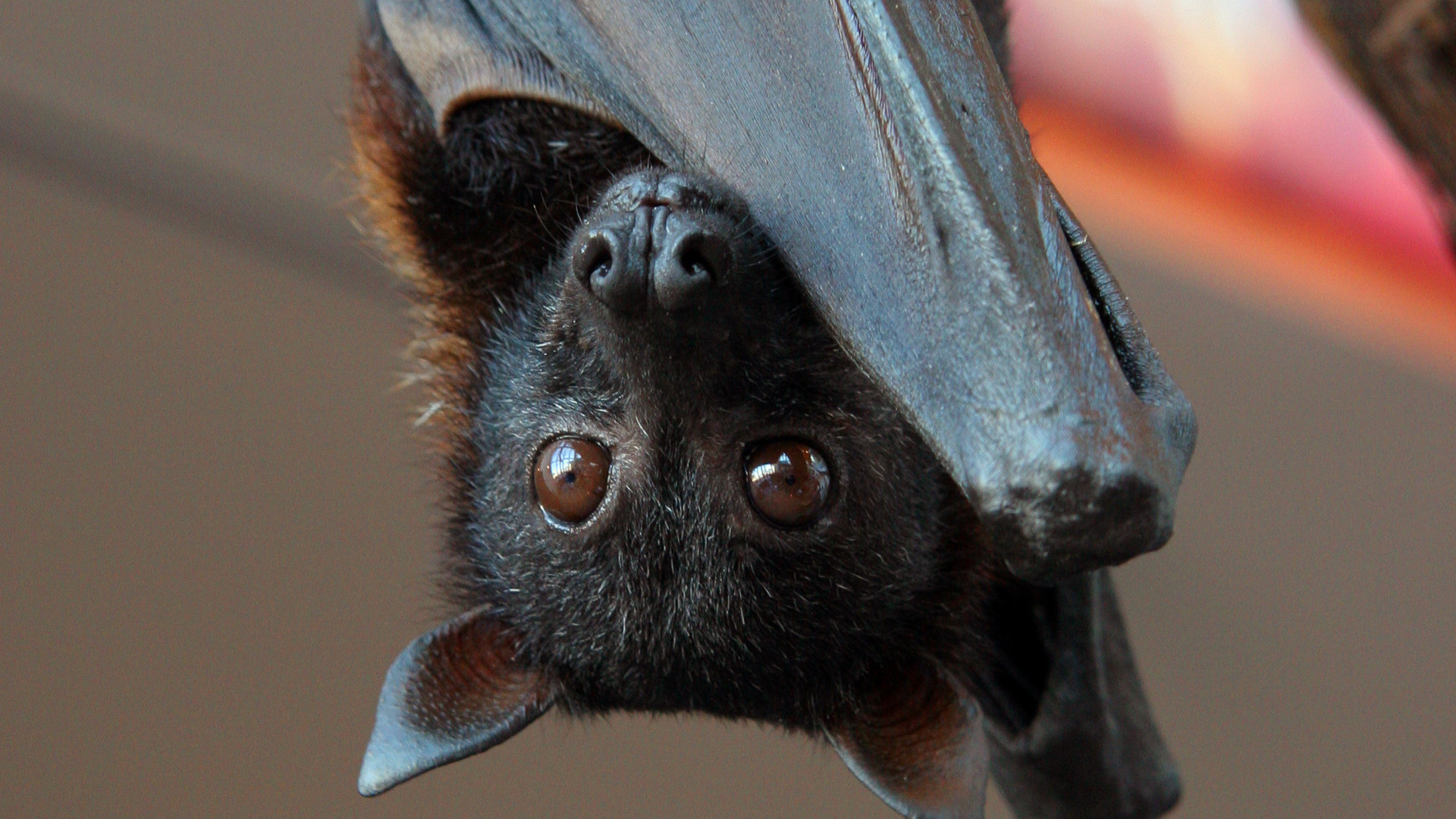
Key Takeaway: Bats are more commonly associated with attics and roof spaces, but they can occasionally enter lower areas of a building through openings, wall voids, chimneys, or connections between different parts of the structure. If you find a bat in a basement, the important question is how it entered the building. Checking nearby windows, doors, vents, chimneys, and other openings can help identify the potential access point.
If you've discovered bats flying around your home, entering your attic, basement or coming out of your roof at dusk, you're not alone. Bats in attics and buildings are a common concern for Ontario homeowners, particularly when bats find small openings that provide access to warm, protected areas.
The good news is that bats can often be managed through professional bat exclusion and prevention. However, bat removal in Ontario needs to be handled carefully because several bat species are protected and the timing of exclusion can be important.
Can Bats Get Into Your Attic?
Yes. Bats can enter buildings through surprisingly small openings.
According to the Government of Ontario, some bats can fit through openings as small as 16 millimetres. Common entry points can include gaps around:
Rooflines
Soffits and fascia
Chimneys
Roof vents
Building corners
Siding
Shingles
Pipes and utility penetrations
Attic vents
Other exterior openings
Once a bat finds a suitable entry point, it may use an attic, wall void, barn, or another protected part of a building as a roosting area.
Why Are Bats Getting Into My House?
Bats look for safe, sheltered locations where they can rest during the day.
In Ontario, some bat species use buildings as summer roosting or maternity sites. The Little Brown Myotis, for example, commonly uses buildings and structures for summer colonies.
Your home may be attractive to bats if it provides:
Warm attic spaces
Small openings into the roof
Protected areas around soffits
Gaps around vents or chimneys
Easy access to sheltered areas
Suitable conditions for roosting
A small exterior gap can therefore become the entry point for a much larger problem.
Bats aren't the only pest that becomes more noticeable around Ontario homes during late summer. You can also learn Why Spider Activity Increases in Ontario During August and September.
How Do I Know If I Have Bats in My Attic?
You may not always see bats inside your home.
Instead, look for signs around the exterior of the building and attic.
Common signs of bats include:
Bats flying around your home at dusk
Bats repeatedly entering or leaving the roofline
Scratching or movement sounds in the attic
Bat droppings around an entry point
Droppings or staining underneath a suspected entry area
A noticeable bat odour
Bats appearing inside the living area
Repeated activity around soffits, vents, or roof gaps
One of the clearest signs is repeated bat activity around the same part of your roof or building.
If you notice bats consistently entering and leaving one location, there may be an active roost inside.
Can Bats Live in Attics?
Yes. Attics can provide bats with a protected environment away from predators and weather.
Ontario's guidance notes that bats may roost in buildings, including attics and other structures.
Some colonies can contain multiple bats, particularly when a suitable maternity roost has been established.
This is why simply removing one bat that has entered your home may not solve the underlying problem.
If bats continue returning, the important question is:
Why You Shouldn't Simply Seal the Hole
If you see bats entering a hole in your roof, soffit, siding, or another part of the building, it may be tempting to seal the opening immediately.
This can create a serious problem.
If bats are still inside the structure, sealing the opening can trap them inside. Ontario specifically advises against trapping bats inside a structure.
A proper bat exclusion should first identify where bats are entering and determine whether bats are currently using the structure.
The goal is to allow bats to leave while preventing them from returning through the same opening.
When Is the Best Time for Bat Exclusion in Ontario?
Timing is extremely important when dealing with bats.
Ontario's bat-exclusion guidance identifies mid-May through mid-August as a period when bats and flightless pups may be present. During this period, excluding adult bats from a maternity roost can separate mothers from pups that are not yet able to fly.
Ontario guidance identifies late August through November as a period when one-way exclusion devices may be used in appropriate situations, allowing bats to leave but preventing them from returning.
Ontario also recommends sealing openings from October through March, when bats are generally hibernating elsewhere, or once it has been confirmed that no bats are roosting inside the structure.
Bats aren't the only pest that becomes noticeable around Ontario homes during the warmer months. You can also learn [Why Are Wasps So Aggressive in August in Ontario?].
Are Bats Protected in Ontario?
Some Ontario bat species have significant conservation protections.
The Little Brown Myotis, Northern Myotis and Tri-colored Bat are among the bat species identified in Ontario's species-at-risk framework, and the Tri-colored Bat is listed as endangered.
This is one reason bat removal in Ontario should focus on humane exclusion rather than simply killing or trapping bats.
The objective is to resolve the conflict between bats and the building while avoiding unnecessary harm to the animals.
What Should You Do If a Bat Gets Inside Your House?
If a bat gets into your living space, don't try to grab it with your bare hands.
Ontario recommends avoiding handling bats where possible. If a bat is inside your home, providing an exit through an open window can allow it to leave on its own.
If you believe you or a pet had direct contact with a bat, contact your doctor or veterinarian for appropriate advice.
If bats are repeatedly getting inside, however, the problem may be coming from an exterior entry point.
That's when a professional assessment can help identify the source.
How Does Professional Bat Removal Work?
Professional bat control and exclusion typically begins with an inspection of the building.
The technician looks for:
Active bat entry points
Gaps around the roofline
Soffit and fascia openings
Attic access points
Roof and siding gaps
Signs of bat activity
Droppings or staining
Other areas that could allow bats to enter
Once the entry points and activity have been assessed, the appropriate exclusion approach can be determined.
Depending on the situation and time of year, this may involve one-way exclusion devices, sealing appropriate openings, and repairing potential entry points.
The goal is not simply to remove the bats you can see.
The goal is to prevent bats from continuing to access the building.
How Can I Prevent Bats From Getting Into My Attic?
Once bats are no longer using the structure, preventing future access is an important part of bat control.
Homeowners can reduce potential entry points by:
Inspecting rooflines regularly
Checking soffits and fascia
Repairing damaged siding
Maintaining roof vents
Checking around chimneys
Sealing appropriate exterior gaps
Inspecting areas around utility penetrations
Addressing damaged roofing materials
Because bats can use very small openings, a thorough inspection is often more effective than simply looking for a large hole.
For more practical ways to protect your home from pests throughout the year, read our guide on How to Prevent Common Household Pests in Ontario.
When Should You Call a Professional for Bat Removal?
Consider contacting a professional if:
You see bats repeatedly entering your attic
Bats are entering your home
You hear movement in the attic
You find bat droppings
Bats are entering through your roof or soffits
You have identified a possible bat colony
You are unsure where bats are getting inside
You want to prevent bats from returning
Trying to seal an active entry point without knowing whether bats are inside can make the situation worse.
A professional assessment can help determine the safest and most appropriate next step.
Professional Bat Control and Exclusion in Ontario
If you're dealing with bats in your attic, roof, or home, First Choice Pest Control Inc. can help assess the situation and determine the appropriate approach.
Our technicians can inspect potential entry points and provide professional bat exclusion and prevention services designed to help keep bats from returning to your property.
If you've noticed bats repeatedly entering or leaving your attic, roofline, soffit, or another part of your building, don't seal the opening without first determining whether bats are still inside.
Contact First Choice Pest Control Inc. to arrange an assessment.
Serving customers throughout Southern Ontario and the GTA.
Frequently Asked Questions About Bats in Ontario
How do I get rid of bats in my attic?
The most effective approach is usually professional exclusion rather than simply removing individual bats. The entry points should be identified and the appropriate exclusion method determined based on the season and whether bats are actively roosting inside.
Can bats get through small holes?
Yes. Ontario notes that some bats can fit through openings as small as 16 millimetres.
Can I seal a hole where bats are entering?
Do not immediately seal an active bat entry point. Bats may still be inside the structure, and sealing the opening can trap them inside.
When can bats be removed from an attic in Ontario?
The timing depends on the species, location, and whether a maternity roost is present. Ontario guidance identifies mid-May through mid-August as a period when flightless pups may be present, making exclusion particularly sensitive.
Are bats dangerous?
Bats generally avoid people, but they should not be handled directly. If a person or pet has direct contact with a bat, medical or veterinary advice should be obtained.
How do bats get into houses?
Bats can enter through small gaps around roofs, soffits, fascia, vents, chimneys, siding, shingles, and other exterior openings.
Will bats come back after removal?
They may return if the building still provides accessible entry points. Proper exclusion and sealing of appropriate openings can help prevent bats from re-entering.
Do bats stay in attics all year?
Not necessarily. Bat behaviour changes seasonally, and some Ontario bats migrate or hibernate elsewhere during colder months. The appropriate exclusion strategy depends on the species and circumstances.
Dealing With Bats in Your Home?
Don't seal an active bat entry point without first determining whether bats are inside.
If you are seeing bats around your attic, roofline, soffits, or home, First Choice Pest Control Inc. can assess the activity and help determine the appropriate bat exclusion and prevention solution.
Call 1-888-407-PEST to schedule an assessment.
Keep Reading
If you're dealing with other pest problems around your Ontario property, explore our other pest-control guides for helpful information about common seasonal pests and prevention.
Dealing with a pest problem?
Our licensed technicians offer same-day service backed by a 100% satisfaction guarantee.