How to Prevent Common Household Pests | Ontario

Key Takeaway: Preventing pests starts with eliminating food, water, shelter, and entry points around your home. Regular inspections, proper sanitation, sealing gaps, and seasonal prevention can help reduce pest activity. If you notice repeated sightings or signs of an infestation, early professional pest control can help prevent the problem from getting worse.
Pests can enter an Ontario home at any time of year. Ants may follow food trails into your kitchen, mice can squeeze through surprisingly small gaps, and wasps may build nests around your home during the warmer months.
The good news is that many pest problems can be prevented by making your home less attractive and harder for pests to enter.
Effective pest prevention starts with four basic things: food, water, shelter, and entry points. By addressing these areas and keeping an eye out for early warning signs, you can reduce the chances of a pest infestation becoming a larger problem.
In this guide, we'll cover the most common household pests in Ontario, practical prevention tips, seasonal pest activity, warning signs to watch for, and when professional pest control may be necessary.
Why Do Pests Enter Ontario Homes?
Pests enter homes for several basic reasons: they are looking for food, water, warmth, and shelter.
Ontario's changing seasons can also influence pest activity. Cold winter temperatures may push mice and rats indoors, while warmer spring and summer weather can increase ant, wasp, fly, and other insect activity.
Common conditions that can attract pests include:
Food left uncovered
Leaking pipes or faucets
Standing water
Unsealed garbage
Cracks around doors and windows
Gaps around pipes and utility lines
Cluttered basements, garages, and storage areas
Firewood or organic debris stored close to the home
Damaged screens or vents
Removing these conditions is one of the most effective ways to make your property less attractive to pests.
Common Household Pests in Ontario
Different pests require different prevention and treatment strategies. Knowing what you're dealing with is the first step.
Ants
Ants commonly enter homes while searching for food and water. Once one ant discovers a reliable food source, it can leave a scent trail that helps other ants find the same location.
To help prevent ants:
Clean food and drink spills quickly.
Store food in sealed containers.
Keep countertops and floors clean.
Trim vegetation away from the exterior of your home.
Seal cracks around windows, doors, and foundations.
Repair moisture problems around the property.
If you repeatedly see ants indoors, especially along the same trails, there may be a colony nearby.
Mice and Rats
Rodents are a common concern for Ontario homeowners, particularly during the fall and winter when temperatures drop.
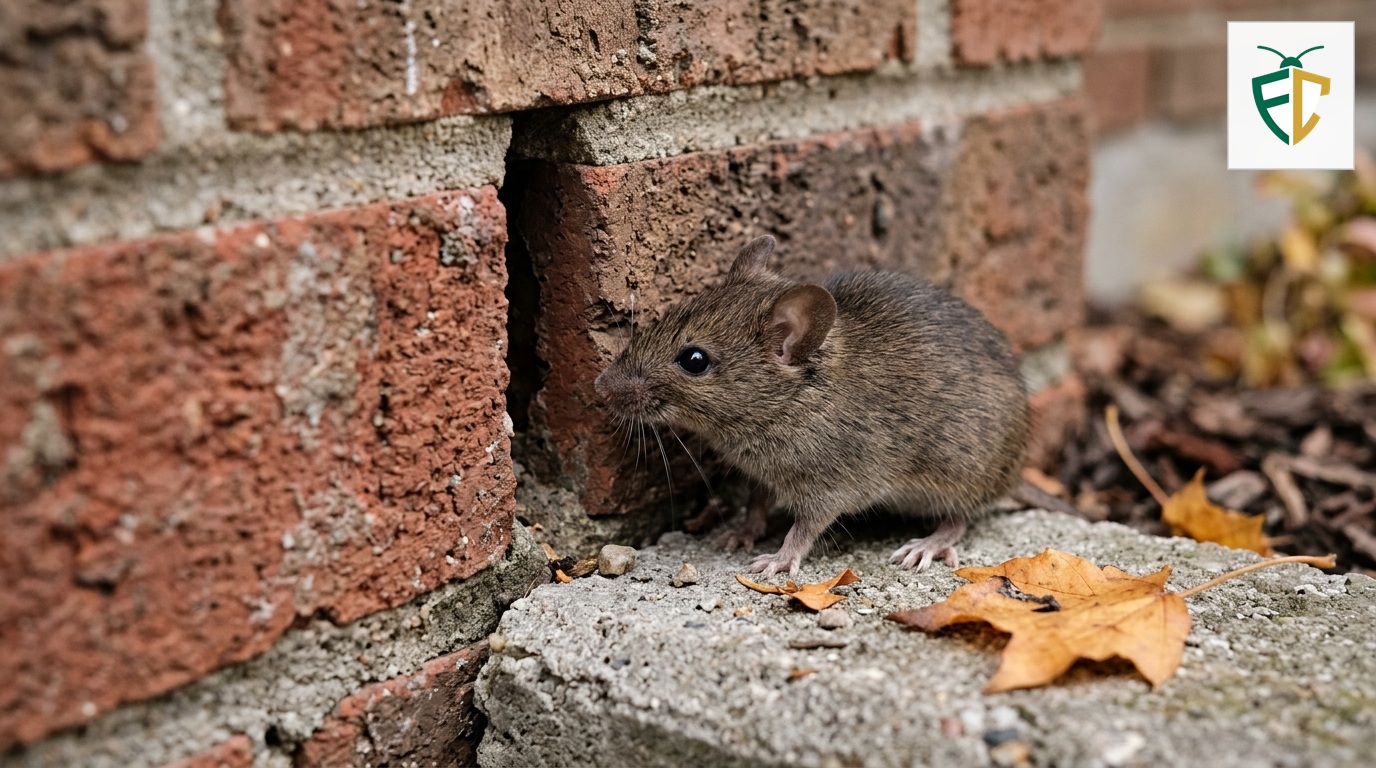
Mice can enter through very small openings around foundations, pipes, vents, doors, and other areas of the building.
To reduce the risk of rodents:
Inspect your home's exterior for gaps and cracks.
Seal openings around pipes and utility lines.
Keep food in sealed containers.
Store garbage in secure containers.
Reduce clutter in basements and garages.
Keep firewood elevated and away from the house.
Remove outdoor food sources that may attract rodents.
Look for warning signs such as droppings, gnaw marks, scratching sounds, nesting material, or unusual odours.
Cockroaches
Cockroaches are attracted to food, moisture, warmth, and areas where they can hide.
Kitchens, bathrooms, basements, and areas around appliances can provide ideal conditions.
You can reduce the risk of cockroaches by:
Cleaning crumbs and food residue.
Taking garbage out regularly.
Fixing leaking pipes and faucets.
Keeping food properly sealed.
Reducing clutter.
Cleaning behind and underneath appliances.
Sealing cracks and gaps where possible.
Seeing cockroaches repeatedly, particularly during the daytime, can be a sign of a larger infestation.
Wasps and Hornets
Wasp and hornet activity increases during the warmer months, with nests often becoming more noticeable during late summer.
Wasps may build nests around rooflines, soffits, decks, sheds, trees, and other sheltered areas.
To discourage wasps:
Keep garbage containers tightly sealed.
Clean up spilled food and sugary drinks outdoors.
Keep outdoor food covered.
Inspect areas around your home for developing nests.
Seal openings around exterior walls and roof areas where appropriate.
Never attempt to remove a large or active wasp or hornet nest yourself. Disturbing a mature nest can cause defensive behaviour and multiple stings.
Spiders
Spiders often appear where there is an abundant food supply, such as flies, mosquitoes, and other insects.
Reducing other insect activity around your property can therefore help reduce spider activity.
You can also:
Remove webs regularly.
Keep exterior lighting away from doors when possible.
Reduce clutter in basements and garages.
Seal cracks around windows and doors.
Keep vegetation trimmed away from the home.
Seeing more spiders this August? Read our guide on Why Spider Activity Increases in Ontario Homes During Late Summer.
Bed Bugs
Bed bugs are different from many household pests because cleanliness alone does not prevent an infestation.
They can enter a home through luggage, used furniture, clothing, bedding, and other personal belongings.
After travelling, inspect luggage and clothing before bringing everything into your home. Wash and dry clothing appropriately and inspect luggage carefully.
Watch for:
Small dark stains on bedding
Shed skins
Tiny blood spots
Live bed bugs
Bites or unexplained skin irritation
If you suspect bed bugs, early professional identification and treatment can help prevent them from spreading to other rooms.
10 Ways to Prevent Household Pests
You don't need to wait until you have an infestation to start protecting your home.
1. Seal Cracks and Gaps
Inspect your home's exterior regularly.
Pay particular attention to:
Foundation cracks
Gaps around windows and doors
Openings around pipes
Utility penetrations
Vents
Damaged screens
Gaps beneath exterior doors
Even small openings can provide pests with access to your home.
2. Keep Food Properly Stored
Food should be stored in sealed containers whenever possible.
Clean crumbs, spills, and food residue promptly, especially in kitchens and dining areas.
Pet food can also attract ants, mice, cockroaches, and other pests, so avoid leaving food sitting out for long periods.
3. Control Moisture
Water attracts many types of pests.
Repair leaking faucets, pipes, and appliances. Check basements, bathrooms, kitchens, and other areas where moisture may accumulate.
Outside, remove standing water from containers, buckets, planters, and other objects.
4. Reduce Clutter
Cardboard boxes, piles of paper, unused furniture, and other clutter can provide pests with hiding and nesting areas.
Keep storage areas organized and avoid allowing clutter to accumulate in basements, garages, attics, and sheds.
5. Manage Garbage Properly
Keep garbage in containers with secure lids and remove waste regularly.
Clean garbage bins when necessary, particularly if food residue has accumulated inside.
6. Maintain Your Yard
Vegetation, branches, leaves, and organic debris close to your home can provide shelter for insects and rodents.
Keep grass trimmed and avoid allowing branches and shrubs to make prolonged contact with the exterior of the home.
7. Store Firewood Correctly
Firewood can provide shelter for insects and rodents.
Keep firewood elevated from the ground and stored away from the home's exterior whenever possible.
8. Check Your Home After Travelling
Bed bugs can travel in luggage and personal belongings.
After returning from a trip, inspect luggage before storing it and wash or dry clothing as appropriate.
9. Inspect Your Home Regularly
A quick inspection every few months can help identify problems before they become serious.
Look for droppings, nests, webs, damaged materials, pest trails, unusual odours, and possible entry points.
10. Address Problems Early
Don't ignore repeated pest sightings.
A single pest does not always mean you have an infestation, but repeated sightings or multiple warning signs deserve attention.
Early identification can make pest control easier and may help prevent the problem from spreading.
Seasonal Pest Prevention in Ontario
Ontario's seasons can influence which pests are most active and where homeowners are likely to encounter them.
Spring
As temperatures rise, ants and other insects become more active.
Spring is a good time to:
Inspect exterior cracks and openings.
Check window and door screens.
Clean debris around the foundation.
Trim vegetation around the property.
Look for early signs of ant activity.
Summer
Warm weather can increase activity from wasps, flies, mosquitoes, ants, and other insects.
During summer:
Keep garbage covered.
Remove standing water.
Keep outdoor food covered.
Inspect the property for wasp nests.
Keep doors and windows properly screened.
Late Summer and Early Fall
Wasp and hornet nests can become particularly noticeable during late summer and early fall.
Rodent activity may also begin increasing as temperatures start to fall.
This is an important time to inspect your home's exterior and address potential entry points before colder weather arrives.
Fall and Winter
As temperatures drop, mice and rats may look for warm shelter indoors.
Before winter:
Seal gaps around the exterior.
Check areas around pipes and vents.
Inspect the foundation.
Reduce outdoor clutter.
Store food securely.
Check garages, basements, and attics for signs of rodent activity.
Year-Round: Bed Bugs
Bed bugs can remain active throughout the year because heated homes provide suitable conditions.
Travelling, used furniture, and shared environments can all provide opportunities for bed bugs to enter a home.
Regular inspections are especially important if you travel frequently or bring second-hand furniture into your home.
What Are the Signs of a Pest Infestation?
Not every pest sighting means you have an infestation. However, repeated signs should not be ignored.
Common warning signs include:
Droppings
Gnaw marks
Pest nests
Webs
Shed insect skins
Egg cases
Grease or smear marks
Scratching or movement sounds
Unusual odours
Repeated pest sightings
Multiple insects appearing in the same area
Damage to food, packaging, wood, or other materials
Not sure what pest you're dealing with? Correct identification is the first step toward effective pest control. Different pests can leave similar signs but require completely different treatment approaches. Visit our Pest Directory to learn how to identify common household pests, recognize the signs they leave behind, and understand when professional treatment may be necessary.
When Should You Call a Professional?
DIY pest control products can sometimes help with a minor, isolated problem. However, they may not address the source of an established infestation.
Professional pest control may be appropriate when:
You continue seeing pests after attempting treatment.
You find evidence of nesting or breeding.
Rodents are entering walls, attics, or other inaccessible areas.
You cannot identify the pest.
The infestation is spreading.
You have discovered a large wasp or hornet nest.
You are dealing with recurring pest activity.
Professional pest control typically starts with identifying the pest and determining how it is entering or using the property. Treatment can then be selected based on the pest, location, and severity of the problem.
Prevention vs. Professional Pest Control
Prevention should always be part of pest management, but prevention cannot always eliminate an existing infestation.
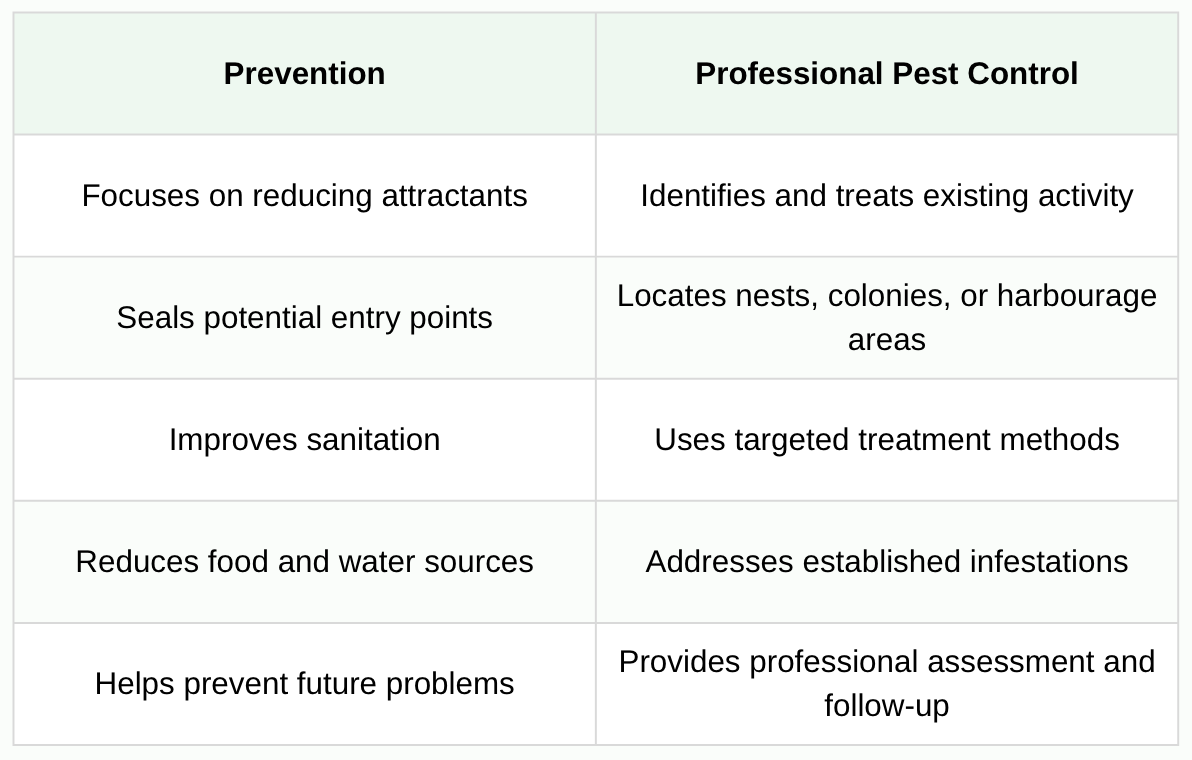
The best approach is often a combination of both. Professional treatment can address the current problem, while exclusion, sanitation, and maintenance can help reduce the chance of it returning.
How First Choice Pest Control Can Help
When pest activity becomes difficult to manage, professional help can make the process easier.
At First Choice Pest Control Inc., our trained technicians inspect the property, identify the pest activity, determine potential entry points and contributing conditions, and recommend an appropriate treatment plan.
Our goal isn't simply to treat the pest you can see. We also look for the conditions that may be allowing the problem to continue.
We provide pest control services for homes and businesses throughout the Greater Toronto Area and Southern Ontario.
Frequently Asked Questions
What is the best way to prevent pests in an Ontario home?
Start by eliminating the four main things pests need: food, water, shelter, and entry points. Keep food sealed, repair moisture problems, reduce clutter, maintain your yard, and seal cracks and openings around your home.
What pests are most common in Ontario homes?
Common household pests include ants, mice, rats, cockroaches, spiders, wasps, flies, mosquitoes, and bed bugs. The pests homeowners encounter can vary depending on the season and property conditions.
When are pests most active in Ontario?
Pest activity varies by species. Ants and many insects become more active during spring and summer, wasps are particularly noticeable in late summer, and rodents often become a greater concern during fall and winter.
Does seeing one pest mean I have an infestation?
Not necessarily. A single pest sighting does not always indicate an infestation. However, repeated sightings or signs such as droppings, nests, egg cases, scratching noises, or property damage can indicate a larger problem.
Can I prevent mice from entering my home?
Sealing exterior openings is one of the most important steps. Check around foundations, doors, pipes, vents, and utility lines. Keeping food secured and reducing outdoor clutter can also help make your property less attractive to rodents.
Are professional pest control treatments safe for children and pets?
Treatment safety depends on the product, application method, and specific pest control situation. Professional technicians should provide instructions regarding treated areas, ventilation, re-entry times, and any precautions that need to be followed. Always follow the instructions provided after treatment.
Don't Wait for a Small Pest Problem to Become a Bigger One
Preventing pests starts with simple steps: keep food secured, control moisture, reduce clutter, maintain your property, and seal potential entry points.
If you are already noticing repeated pest activity or signs of an infestation, identifying the problem early can make treatment easier.
Need help identifying or controlling a pest problem?
Contact First Choice Pest Control Inc. for professional pest control services throughout the Greater Toronto Area and Southern Ontario.
Call 1-888-407-7378 or request a free quote to discuss your pest control needs.
Dealing with a pest problem?
Our licensed technicians offer same-day service backed by a 100% satisfaction guarantee.