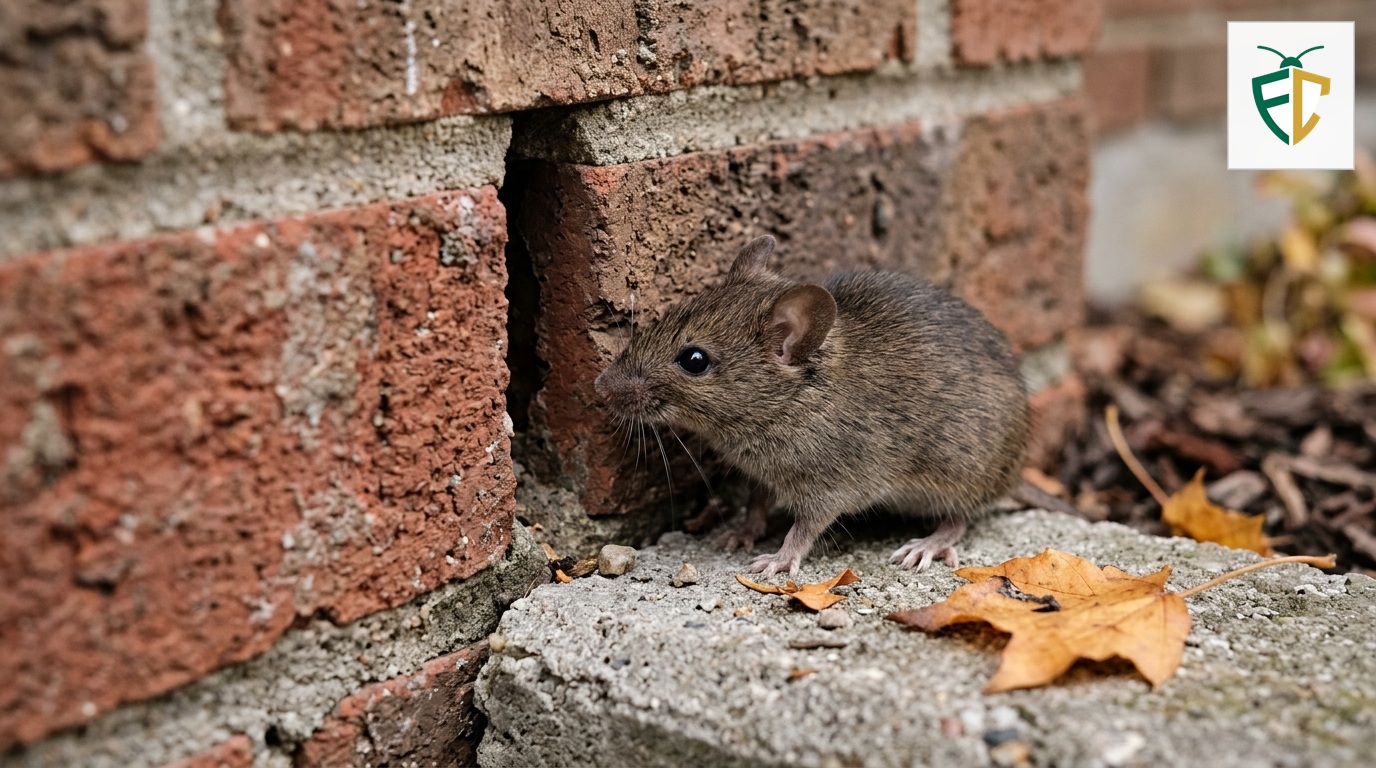
10 Signs You Have a Pest Infestation in Your Ontario Home

Key Takeaway: Finding one pest in your home does not always mean you have a full infestation, but repeated sightings or additional signs should be taken seriously. Droppings, gnaw marks, scratching sounds, nests, unusual odours, property damage, and multiple live or dead pests can all indicate ongoing activity. If you notice these signs, especially in kitchens, basements, attics, bathrooms, or other areas where pests can find food, water, warmth, and shelter, it's worth investigating before a small problem becomes a larger infestation.
Most pest infestations don't start with dozens of pests running through your home. They often begin with small warning signs that are easy to overlook including a few droppings, scratching sounds at night, damaged food packaging, or an occasional insect.
The problem is that pests can multiply quickly when they have access to food, water, warmth, and shelter.
Knowing what to look for can help you identify a pest problem early, before it becomes more difficult and expensive to control.
In this guide, we'll cover 10 common signs of a pest infestation, what they can mean, and when it may be time to contact a professional pest control company in Ontario.
Why Early Detection Matters
Pests don't usually leave obvious signs when they first enter a home. Mice can hide inside walls and attics, cockroaches can stay behind appliances and cabinets, and insects can establish nests in areas that aren't easy to see.
Early detection gives you a better chance of dealing with the problem before the population grows.
For example, finding a few mouse droppings in your kitchen may indicate that rodents are already entering the home regularly. Finding a wasp nest near your roofline may mean there is an active colony nearby.
The sooner you identify the source, the easier it is to determine the appropriate solution.
10 Signs of a Pest Infestation
1. Droppings or Feces
One of the clearest signs of pest activity is finding droppings inside your home.
Mouse droppings are typically small, dark, and shaped somewhat like grains of rice. Rat droppings are generally larger and thicker. Cockroaches may leave behind small dark specks that resemble pepper or coffee grounds.
Check areas such as:
Kitchen cabinets and drawers
Behind appliances
Basements
Garages
Attics
Along baseboards
Near food storage areas
Fresh droppings can indicate recent or ongoing activity. If you repeatedly clean an area and new droppings appear, there may be an active pest problem that needs attention.
2. Gnaw Marks or Damaged Materials
Rodents constantly gnaw because their teeth continue growing throughout their lives.
You may notice chewing or gnaw marks on:
Food packaging
Cardboard boxes
Baseboards
Wood
Plastic
Insulation
Electrical wiring
Chewed electrical wires are particularly concerning because damaged wiring can create a potential fire hazard.
If you notice new gnaw marks appearing around your home, it's important to determine where the rodents are entering and where they are nesting.
3. Scratching or Scurrying Sounds
Have you ever heard scratching or movement inside your walls late at night?
Don't automatically assume it's the house settling.
Mice and rats are generally more active at night, when the home is quiet. You may hear scratching, squeaking, or scurrying from:
Inside walls
Ceilings
Attics
Basements
Under floors
Around ductwork
Repeated noises coming from the same area can be a strong indication that an animal or pest is using that space.
Larger wildlife such as squirrels or raccoons can also make noises in attics and roof spaces, although their sounds are usually louder.
4. Nests, Burrows, or Nesting Materials
Finding a nest is another strong indication that pests may be established nearby.
Rodents often use shredded paper, cardboard, fabric, insulation, and other soft materials to build nests.
Depending on the pest, you may also find:
Rodent nests in attics or wall voids
Ant nests in soil, wood, or wall voids
Wasp nests under eaves, decks, or rooflines
Burrows around foundations or landscaping
A visible nest doesn't necessarily tell you the full size of the infestation. There may be additional activity hidden nearby.
Avoid disturbing an active wasp or hornet nest. Mature colonies can become defensive when their nest is threatened.
5. Multiple Live or Dead Insects
Seeing one insect doesn't always mean you have an infestation.
A single spider, fly, ant, or cockroach may occasionally enter a home without establishing a population.
However, repeated sightings or multiple insects in the same area are more concerning.
Other signs can include:
Multiple dead insects
Shed insect skins
Egg cases
Wings
Insects appearing repeatedly in kitchens or bathrooms
Cockroaches appearing during the daytime
If you're regularly seeing cockroaches, ants, bed bugs, or other insects indoors, it's worth investigating where they are coming from rather than simply killing the ones you see.
6. Grease Marks or Rub Trails
Rodents often travel along the same routes repeatedly.
As they move against walls, baseboards, pipes, and other surfaces, oils and dirt from their bodies can leave dark marks or smears.
You may notice these marks:
Along baseboards
Behind appliances
Around pipes
Near holes in walls
Around entry points
These trails can help identify the routes rodents are using throughout the property.
If the marks are accompanied by droppings, gnaw marks, or scratching sounds, there may be ongoing rodent activity.
7. Unusual or Persistent Odours
An unexplained smell can sometimes be another warning sign.
Different pests can produce different odours.
Rodent urine can create a strong ammonia-like smell, especially when activity has been occurring in an enclosed area for some time.
A dead rodent or other animal inside a wall can also produce a strong, unpleasant odour.
Large cockroach infestations may produce a noticeable musty or oily smell, while heavy bed bug infestations can sometimes have a sweet or musty odour.
If you notice a persistent smell that you can't explain, especially alongside other pest signs, an inspection can help identify the source.
8. Bites, Welts, or Blood Spots on Bedding
Unexplained bites can sometimes be associated with bed bugs, although bites alone cannot confirm an infestation.
Other signs to look for include:
Small blood spots on sheets
Dark spotting around mattress seams
Shed skins
Eggs or eggshells
Live bed bugs
Activity around the bed frame or headboard
Bed bugs can hide in very small cracks and crevices around mattresses, furniture, baseboards, and walls.
Because bed bugs can remain active throughout the year in heated Ontario homes, finding signs early is important.
If you suspect bed bugs, avoid moving mattresses or furniture between rooms, as this can potentially spread the infestation.
9. Damage to Wood, Plants, or Your Home
Some pests can cause noticeable damage to a property over time.
For example, carpenter ants can tunnel into damp or damaged wood. You may find small piles of sawdust-like material near areas where they are active.
Rodents can damage insulation, drywall, wiring, and stored belongings.
Outside, damaged plants or chewing around the foundation can indicate wildlife or other pest activity.
Pay attention to:
Small holes
Damaged wood
Sawdust-like material
Chewed wiring
Damaged insulation
Damaged plants
Holes around the foundation
The type and location of the damage can help identify which pest may be responsible.
10. Seeing Nocturnal Pests During the Day
Some pests are primarily active at night.
Mice, rats, and cockroaches commonly become more active when the home is quiet and dark.
Seeing one during the day doesn't automatically mean you have a severe infestation. However, repeated daytime sightings can be a warning sign that pest activity is significant or that their normal hiding areas are becoming crowded.
If daytime sightings are happening along with droppings, nests, damage, or other signs, it's a good idea to have the situation assessed.
f you notice any of these signs of a potential pest infestation, visit our Pest Directory to identify the pest that may be responsible and learn more about its behaviour, warning signs, and effective treatment options.
Does Seeing One Pest Mean You Have an Infestation?
Not necessarily.
Finding one insect or rodent doesn't always mean there is a large infestation inside your home.
For example, one spider may simply have entered from outside. One fly may have come through an open door.
However, certain pests deserve more attention than others.
A single cockroach, for example, can sometimes indicate that others are hiding nearby. Repeated mouse droppings are also more concerning than seeing one mouse outside.
Look at the overall pattern.
Ask yourself:
Am I seeing pests repeatedly?
Am I finding new droppings?
Are there signs of nesting?
Is there damage to food, wiring, or property?
Am I hearing movement inside walls?
Are the pests appearing in multiple areas?
The more signs you notice together, the more likely they are to indicate an active pest problem.
Common Pest Problems in Ontario
Pest activity changes throughout the year in Ontario. Ontario's changing seasons can influence pest activity, rodents seeking shelter in colder months, insects becoming more active during warmer months, and bed bugs remaining a year-round indoor concern.
Fall and Winter: Mice and Rats
As temperatures drop, rodents may look for warm, protected areas where they can find food and shelter.
Homes can provide ideal hiding places in wall voids, attics, basements, garages, and other enclosed areas.
Sealing potential entry points and addressing signs of activity early can help prevent a small rodent problem from becoming a larger winter infestation.
If you're preparing your home for the colder months, read our guide on How to Keep Mice Out of Your Ontario Home Before Fall for practical prevention tips.
Spring and Summer: Ants and Other Insects
Warmer temperatures increase activity from ants, spiders, mosquitoes, flies, and many other insects.
Ants may enter homes while searching for food and water. Moisture and accessible food can make certain areas particularly attractive.
If spiders and webs are becoming more noticeable around your home, learn Why Spider Activity Increases in Ontario During Late Summer and how to reduce it.
Late Summer: Wasps and Hornets
Wasp and hornet colonies can become particularly noticeable during late summer.
Nests may be found around rooflines, eaves, decks, sheds, trees, wall voids, and other protected locations.
Because mature colonies can become defensive, avoid attempting to remove an active nest yourself.
Year-Round: Bed Bugs
Bed bugs can remain active throughout the year because heated homes provide suitable indoor conditions.
They can spread through luggage, used furniture, clothing, and other items.
If you notice signs of bed bugs, early professional assessment can help prevent the problem from spreading.
What Should You Do If You Find Signs of Pests?
If you notice signs of pest activity, start by identifying what you're seeing.
Take photos of droppings, insects, nests, damage, or other unusual signs if it is safe to do so.
You should also:
Keep food stored in sealed containers.
Clean up crumbs and spills promptly.
Fix leaks and unnecessary sources of moisture.
Reduce clutter where pests could hide.
Check for gaps around doors, windows, pipes, and foundations.
Avoid disturbing active nests.
Monitor whether new signs continue appearing.
If signs continue or the source isn't obvious, a professional inspection can help determine the pest, extent of activity, and appropriate treatment.
For more ways to protect your home throughout the year, read our guide on How to Prevent Common Household Pests in Ontario.
When Should You Call a Pest Control Professional?
Consider contacting a professional if:
You repeatedly see pests inside your home.
New droppings continue appearing.
You hear scratching or movement inside walls.
You discover a nest.
You find signs of rodents in multiple areas.
You suspect bed bugs.
You find a wasp or hornet nest.
Pests are damaging your property.
DIY treatments haven't solved the problem.
Professional pest control isn't simply about spraying the pests you can see.
A proper approach should identify what pest is present, where it is coming from, where it is hiding, and what conditions are allowing it to remain active.
Treatment can then be targeted toward the source of the problem.
How First Choice Pest Control Can Help
At First Choice Pest Control, our licensed technicians help homeowners and businesses identify and control pest problems throughout the GTA and Southern Ontario.
Our approach starts with identifying the pest and assessing the areas where activity is occurring. Depending on the situation, treatment may include targeted applications, pest removal, entry-point recommendations, monitoring, and follow-up services.
We provide pest control solutions for common problems including:
Mice and rats
Cockroaches
Ants
Wasps and hornets
Bed bugs
Spiders
Flying insects
Wildlife and other pest concerns
Every pest problem is different, so the appropriate treatment depends on the pest, location, level of activity, and conditions around the property.
Frequently Asked Questions
How do I know if I have a serious pest infestation?
Look for patterns rather than relying on one sighting. Repeated droppings, nests, damage, unusual sounds, trails, or multiple pests are stronger signs of an active infestation.
Can I treat a pest infestation myself?
Some minor pest problems can sometimes be managed with basic prevention and appropriate consumer products. However, established infestations, hidden pests, active nests, rodents inside walls, and bed bugs can be more difficult to eliminate without professional treatment.
What is the most common sign of mice?
Mouse droppings are one of the most common signs. You may also notice scratching sounds, gnaw marks, nesting material, urine odours, or grease marks along walls.
Are daytime cockroach sightings a bad sign?
They can be. Cockroaches are generally more active at night, so repeated daytime sightings may indicate significant activity. However, daytime activity alone does not confirm the size of an infestation.
When should I call pest control?
If pest activity continues, you find a nest, notice repeated droppings or damage, or cannot determine where the pests are coming from, a professional inspection can help identify the problem and determine the appropriate next step.
Don't Ignore the Warning Signs
Pest infestations are often easier to manage when they're identified early.
A few droppings, scratching sounds, damaged food packaging, a nest, or repeated insect sightings may seem minor, but they can be signs that pests have established themselves somewhere inside or around your property.
If you notice multiple warning signs, don't wait for the problem to become more difficult to control.
First Choice Pest Control Inc. provides professional pest inspection and treatment services throughout the GTA and Southern Ontario.
Not sure if you have a pest infestation? First Choice Pest Control Inc. can help identify the signs, locate the source of the activity, and recommend the appropriate treatment. We provide professional pest control services throughout the GTA and Southern Ontario.
Call 1-888-407-7378 or request a free quote today.
Dealing with a pest problem?
Our licensed technicians offer same-day service backed by a 100% satisfaction guarantee.