Scratching in Your Walls? How to Tell What's Making the Noise

Key Takeaway: Hearing scratching sounds in your walls can be concerning, especially when the noise happens repeatedly at night. Mice and rats are common causes of scratching and scurrying sounds, while squirrels, raccoons, bats, and other animals may also enter parts of a home. Paying attention to when and where you hear the noise, along with looking for other signs of activity, can help determine what may be causing the problem.
Hearing scratching, scurrying, or movement inside your walls can be unsettling. The noise may start after the house becomes quiet at night, disappear for a while, and then suddenly return.
If you've been wondering, “What is scratching in my walls at night?”, you're not alone. Homeowners throughout Ontario often hear unexpected noises coming from walls, ceilings, and attics, particularly when rodents and wildlife begin looking for food and shelter.
While mice scratching in walls are a common cause of nighttime noises, they aren't the only possibility. Rats, squirrels, raccoons, bats, and even birds can sometimes create sounds inside different parts of a building.
The good news is that paying attention to when the noise happens, what it sounds like, and where you hear it can help you narrow down what may be causing the activity.
What Causes Scratching Sounds in Walls?
Scratching noises can have several possible causes. In many cases, an animal or pest has found its way into a wall void, attic, ceiling, or another protected area of the structure.
Common causes of scratching sounds in walls include:
The time of day can provide an important clue. Mice and rats are generally more active at night, while squirrels are usually active during the day. Larger animals such as raccoons may create louder movement or thumping sounds.
However, sound alone cannot always confirm which animal is present. Looking for other signs can help provide a clearer answer.
Are Mice Scratching in Your Walls at Night?
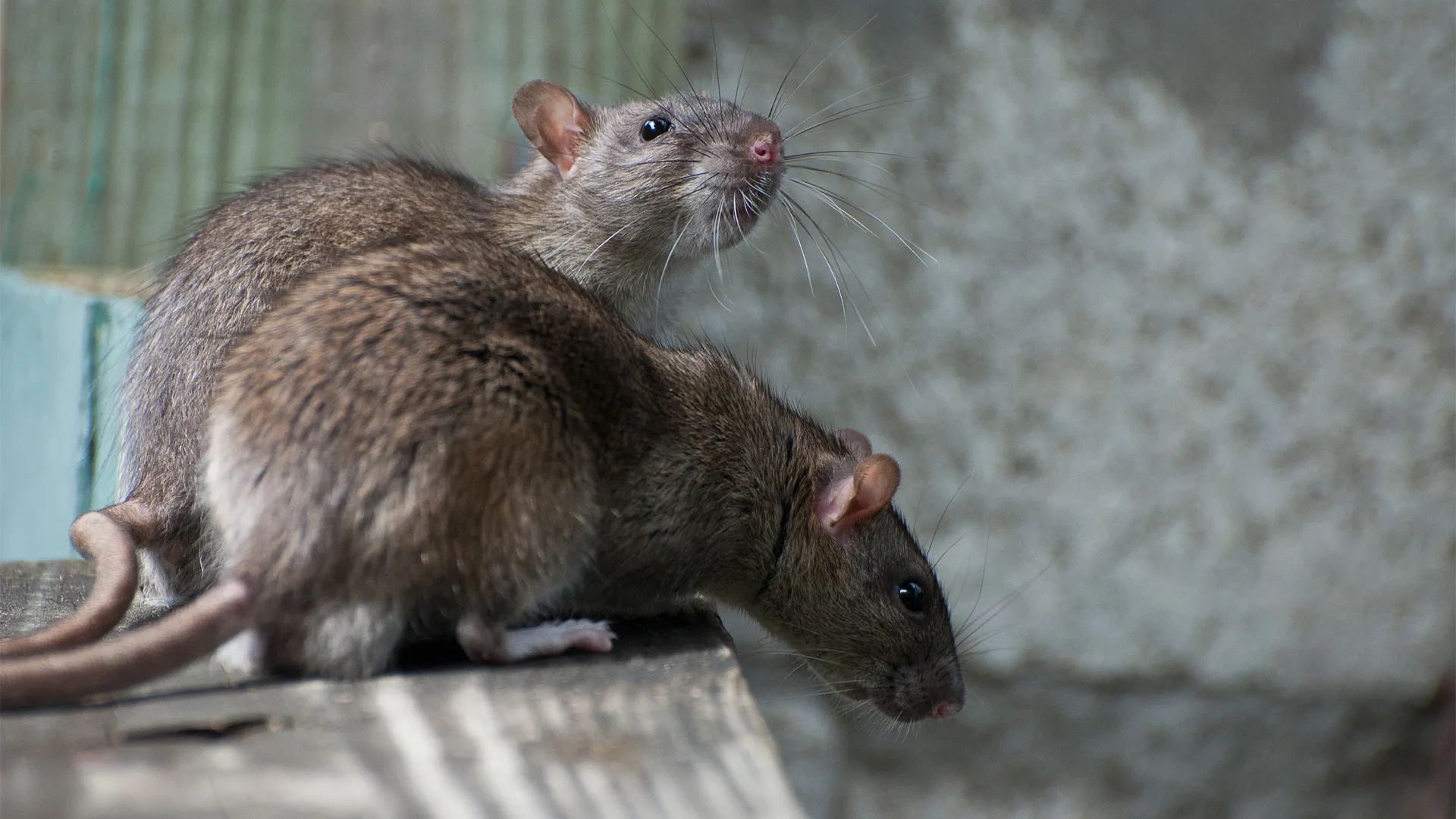
Mice are one of the most common reasons homeowners hear light scratching or scurrying sounds after dark. Mice are primarily active at night and can travel through wall voids, ceilings, basements, and other hidden areas of a home.
You may hear:
Light scratching
Quick scurrying sounds
Faint gnawing or chewing
Movement that seems to travel along a wall
Activity that becomes more noticeable after dark
According to Health Canada, scratching and scampering sounds in walls at night can be a sign of mice or rats, particularly when other signs such as droppings or gnawing are also present.
Mice can enter homes through surprisingly small openings and may use hidden spaces inside the structure for shelter and travel.
If you're unsure whether you're dealing with mice or rats, our guide on Mice vs. Rats: How to Tell the Difference in Ontario can help you understand some of the important differences between these rodents.
Could Rats Be Making the Noise?
Rats can also create scratching and movement sounds inside walls, floors, ceilings, and other hidden areas.
Because rats are larger than mice, the sounds may sometimes seem heavier or more noticeable. You may also find other signs, including droppings, gnaw marks, or evidence of rodent activity around the property.
Like mice, rats can cause damage by chewing materials and contaminating areas where they travel.
If you suspect rodents are inside your home, identifying the type of activity can help determine the most appropriate control approach.
Could It Be Squirrels?
If the scratching or running sounds happen mainly during the day, squirrels may be a possibility.
Squirrels are generally active during daylight hours and may enter attics, roof spaces, or upper areas of a building through gaps around the roofline, soffits, vents, or other openings.
Squirrel activity may sound like:
Fast running or scampering
Louder scratching
Movement in the attic or ceiling
Occasional chewing or gnawing
If you're hearing activity early in the morning or during the afternoon but the house is quiet at night, squirrels may be more likely than mice.
Could It Be a Raccoon?
Raccoons are much larger than mice or squirrels, so their movement can sound significantly heavier.
Homeowners may describe raccoon activity as:
Heavy thumping
Footsteps overhead
Dragging sounds
Movement in the attic
Loud activity at night
Raccoons can cause significant damage when they gain access to attics or other parts of a home. If you believe a larger animal is inside your property, it's important not to block an entry point without first determining whether an animal is still inside.
Could Bats Be Making Scratching Sounds?
Bats may also create noises in attics, wall spaces, or areas around rooflines. However, the sounds can be different from typical rodent activity.
You may notice:
Light scratching or rustling
Fluttering sounds
Squeaking or chirping
Activity around dusk or dawn
If you suspect bats are inside your home, professional assessment is important. Our guide on Bats in Ontario Homes can provide additional information about wildlife activity and prevention.
When You Hear the Noise Can Be an Important Clue
The timing of scratching sounds can sometimes help narrow down the possible cause.
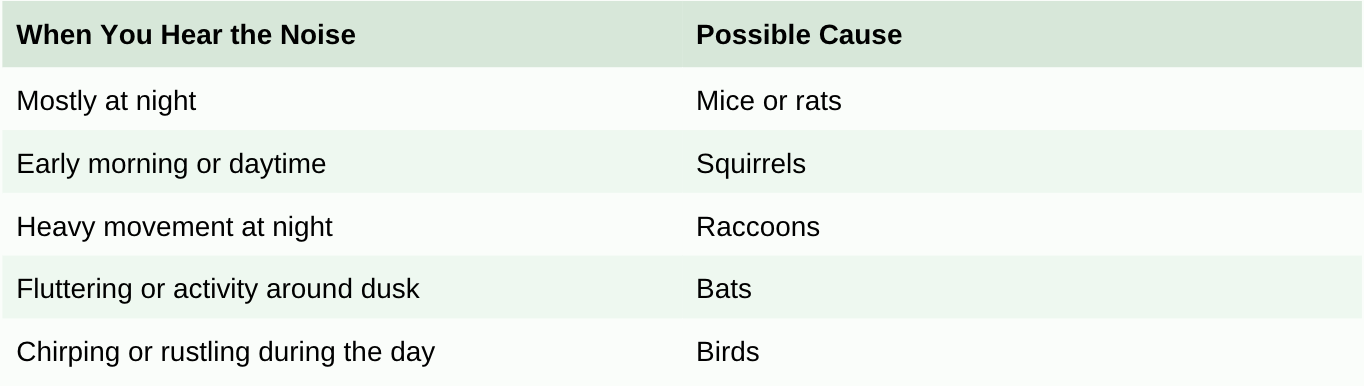
This is only a general guide. Different animals can behave differently depending on the situation, so an inspection and other physical evidence may be necessary for proper identification.
Why Do I Hear Scratching in My Walls at Night?
Nighttime scratching often becomes more noticeable because your home is quieter. Sounds that may go unnoticed during the day can become very obvious when there is less background noise.
If rodents are active inside walls, you may hear them travelling between nesting areas and places where they find food or water.
In Ontario, homeowners may also notice increased rodent activity as the weather begins to change and animals start looking for protected places to shelter.
If the scratching continues night after night, it's worth investigating rather than assuming the problem will disappear on its own.
How Can You Tell What's Inside Your Walls?
You may not be able to identify an animal based on sound alone. Looking for additional evidence can help.
Look for Droppings
Droppings around kitchens, basements, storage areas, garages, or other parts of the home can indicate rodent activity.
Look for Gnaw Marks
Mice and rats may chew materials as they move through or establish themselves inside a property. Look for signs around accessible areas, including stored items and entry points.
Check for Entry Points
Inspect the exterior of the home for visible gaps or openings around:
Doors and windows
Utility lines
Foundation areas
Vents
Siding
Rooflines
Soffits
Pay Attention to the Location
Try to determine whether the sound is coming from a lower wall, upper wall, ceiling, or attic. The location can provide helpful information about what type of pest or animal may be involved.
Note When the Noise Happens
Make a note of the time of day and how often the activity occurs. Repeated nighttime scratching may point toward rodents, while daytime activity may suggest different wildlife.
Should You Ignore Scratching Sounds in Your Walls?
Occasional unexplained noises may have a simple cause, but repeated scratching or movement should not be ignored.
If an animal has gained access to the structure, it may continue using the same entry point. Rodents can also reproduce quickly, which means a small problem can become more difficult to manage over time.
Mice and rats may also chew materials inside a building, while larger wildlife can damage insulation, vents, roofing materials, and other parts of the structure.
Early identification can help prevent ongoing activity from becoming a larger problem.
What Should You Do If You Hear Something in Your Walls?
If you're hearing repeated scratching or movement, there are a few practical steps you can take.
Don't Panic
Hearing something inside a wall doesn't automatically mean you have a major infestation. The first step is determining what may be causing the noise.
Keep Track of the Activity
Pay attention to when the noise happens, where you hear it, and whether it sounds light, heavy, fast, or slow.
Look for Other Signs
Check accessible areas for droppings, gnaw marks, nesting materials, or other evidence of activity.
Don't Seal an Opening Without Knowing What's Inside
Blocking an entry point while an animal is still inside can create additional problems. This can be particularly important when dealing with wildlife or animals that may have young inside the structure.
Arrange a Professional Inspection
If the noise continues or you're unable to determine what's causing it, a professional inspection can help identify the source of the activity and potential entry points.
How Can You Prevent Animals From Getting Into Your Walls?
Prevention often focuses on reducing access to the building and making the property less attractive to pests and wildlife.
Some helpful steps include:
Seal accessible cracks and gaps around the exterior.
Repair damaged screens and vents.
Check weatherstripping around doors and windows.
Keep garbage properly contained.
Reduce accessible food sources.
Address gaps around utility lines and pipes.
Inspect rooflines, soffits, and other potential entry areas.
For more general prevention advice, you can also read our guide on How to Prevent Common Household Pests in Ontario.
When Should You Call a Pest Control Professional?
You may want to arrange a professional inspection if:
You hear scratching repeatedly.
The noise is becoming more frequent.
Activity is happening in multiple areas of the home.
You've found droppings or gnaw marks.
You suspect rodents are inside walls or ceilings.
You cannot identify where the animal is entering.
The activity continues after you've addressed visible entry points.
Identifying the source of the problem is an important part of developing an effective treatment or exclusion plan.
Scratching Sounds in Ontario Homes
Homeowners throughout Ontario may experience scratching or movement sounds inside walls, attics, and ceilings. Depending on the time of year and the location of the activity, the cause may range from mice and rats to squirrels or other wildlife.
Whether you're hearing scratching in your walls in Toronto, Brampton, Mississauga, or another Southern Ontario community, identifying the source early can help prevent ongoing activity and potential damage.
A professional inspection can help determine what is causing the noise and identify potential entry points around the property.
Frequently Asked Questions
Why do I hear scratching in my walls at night?
Mice and rats are common causes of nighttime scratching sounds because they are generally more active after dark. However, other pests or wildlife may also create noises inside a home, so sound alone may not confirm the cause.
Can mice live inside walls?
Yes. Mice can use wall voids and other hidden areas for shelter, nesting, and travel throughout a building.
How do I know if scratching in my walls is mice or squirrels?
Timing can provide a helpful clue. Mice are generally more active at night, while squirrels are usually active during the day. The location and type of sound, along with other signs of activity, can also help.
Should I be worried if I hear something scratching in my walls?
Repeated activity should be investigated. An animal or pest may have gained access to the structure and could continue using the same area or entry point.
Will mice eventually leave on their own?
Mice may continue using a home if it provides shelter, warmth, food, and access to nesting areas. Addressing the active rodent problem and potential entry points is important for long-term control.
Can I tell what animal is in my walls by the sound?
The timing, location, and type of noise can provide clues, but sound alone is not always enough for accurate identification. Other physical evidence or a professional inspection may be needed.
Should I seal holes if I hear an animal inside my walls?
It's best to determine what animal is present before sealing an entry point. Blocking access while an animal is still inside can create additional problems.
Need Help Identifying What's Scratching in Your Walls?
Scratching sounds can be difficult to ignore, especially when the activity continues night after night. Identifying what is causing the noise and how it gained access to your property can help determine the most appropriate solution.
At First Choice Pest Control Inc. we provide professional pest and wildlife control services for homeowners, landlords, property managers, and commercial properties throughout Southern Ontario.
If you're hearing scratching, scurrying, or movement inside your walls, don't ignore repeated activity.
Contact First Choice Pest Control Inc. today to discuss your situation and arrange a professional inspection.
Dealing with a pest problem?
Our licensed technicians offer same-day service backed by a 100% satisfaction guarantee.